
Unlocking the Benefits from Conservation? Indigenous Youth and Entrepreneurship in Drakensberg Park

By Jabulile Happyness Mzimela and Inocent Moyo

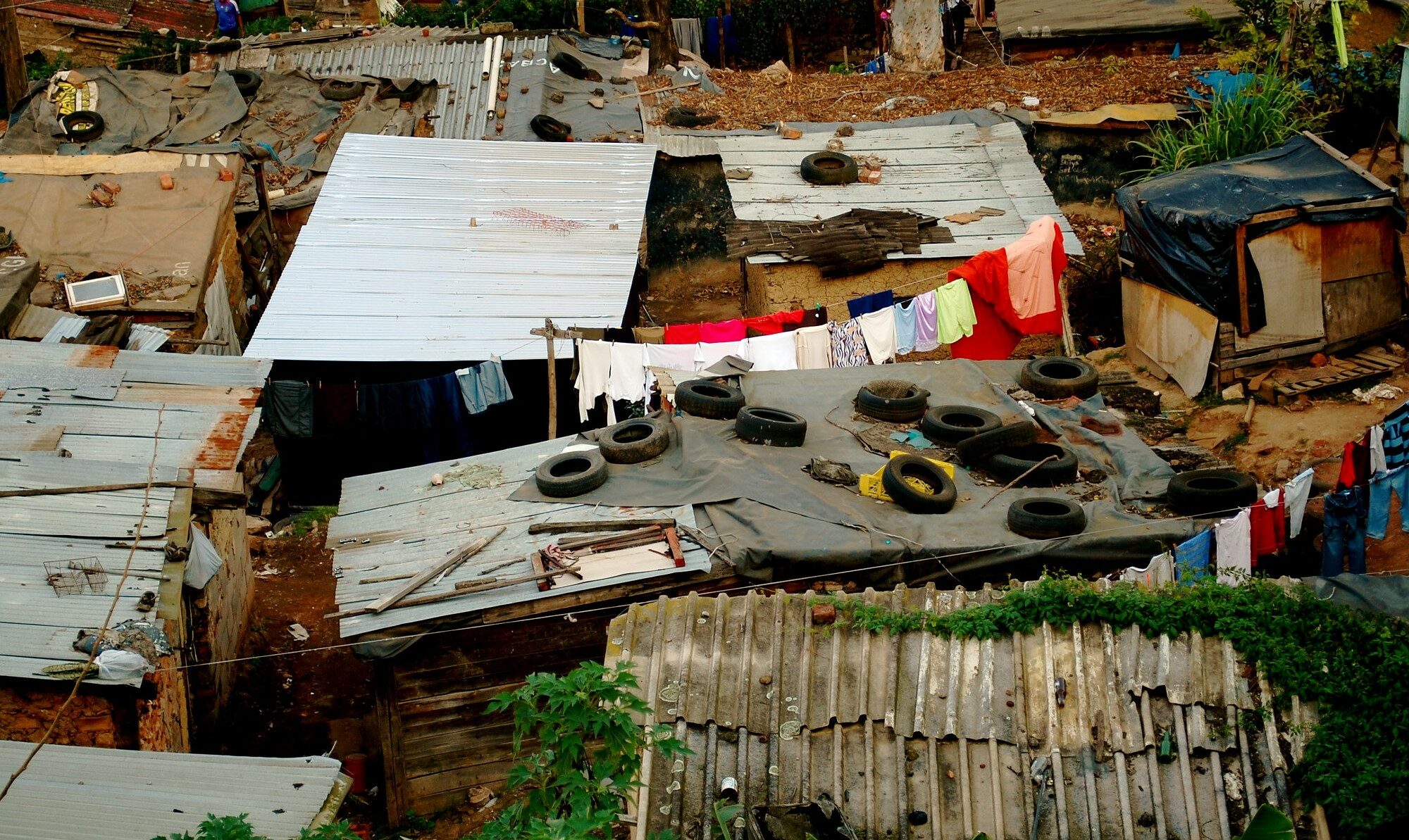
 The Natal Colonial government initiated the establishment of protected areas in the Drakensberg in 1903, drawing on Eurocentric conservation models that sidelined Indigenous knowledge systems and governance structures. These approaches laid the foundation for the exclusion of Indigenous communities from decision-making over lands they have inhabited for generations. Such exclusions have had material consequences, contributing to marginalisation and the erosion of livelihoods.

Continue reading “Unlocking the Benefits from Conservation? Indigenous Youth and Entrepreneurship in Drakensberg Park”

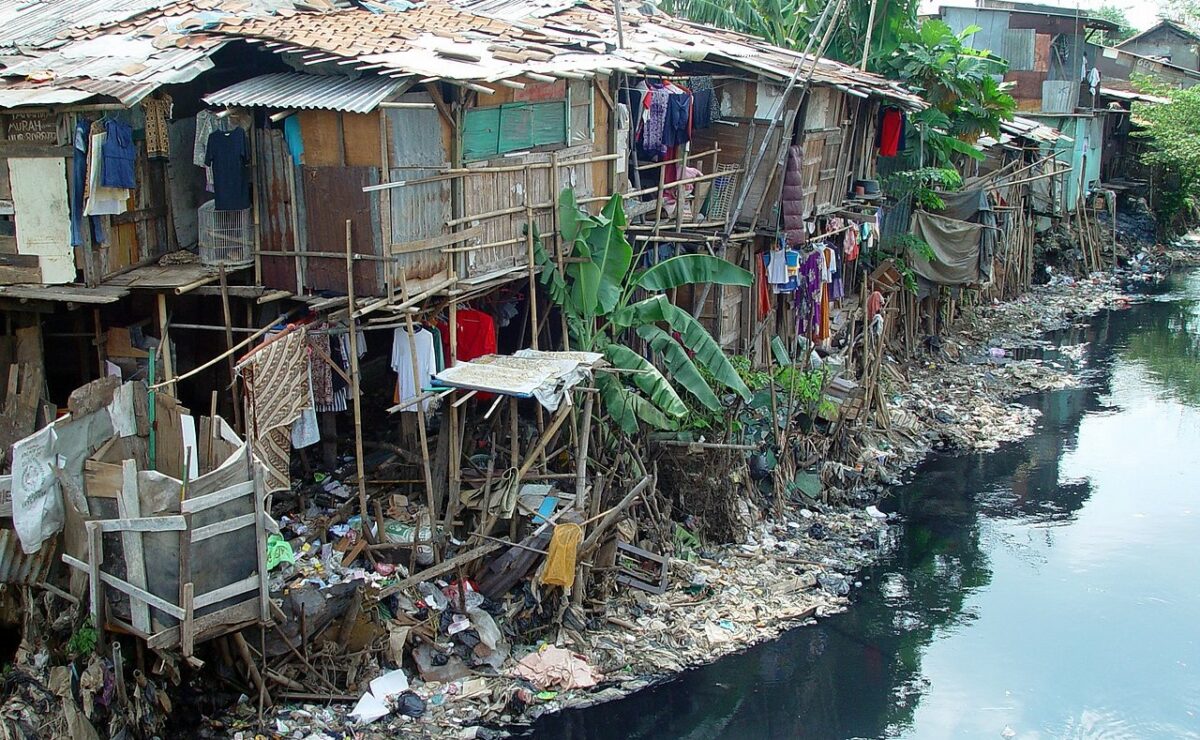
Why We Need Empathy to Tackle Poverty

By Keetie Roelen

“You need a new vacuum cleaner? Can you prove that your current one is really broken?”

This was the response Hanny received from the welfare office in the Dutch city of Tilburg when she asked them for support with replacing her broken appliance. More precisely, it was the response following her second request, after her first appeal was met with the suggestion that she could use a broom to sweep her floors.

Continue reading “Why We Need Empathy to Tackle Poverty”

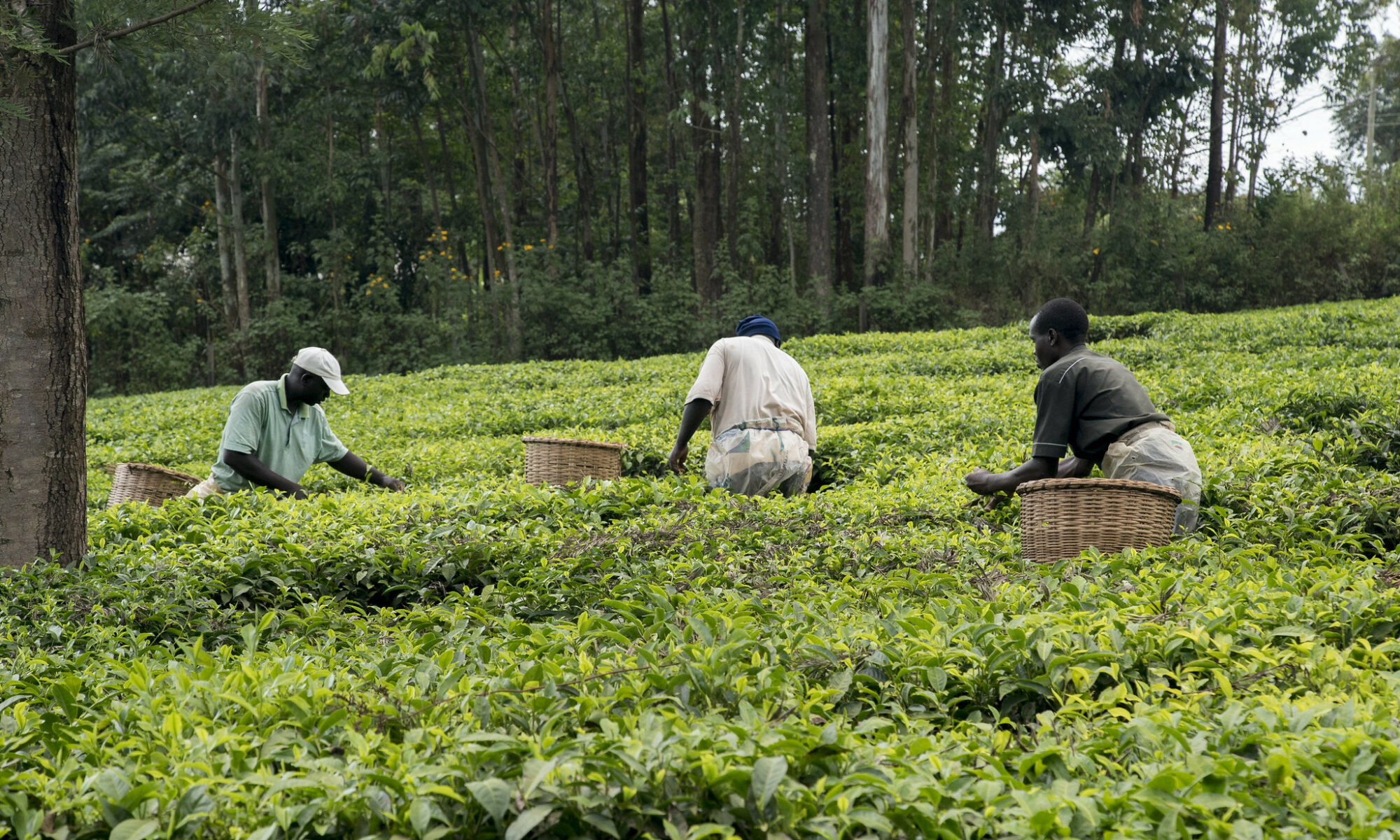
What Would it Take to Build a Post-Extractivist Agriculture?

By Will LaFleur

What is the relationship between extractivism, agriculture, and a sustainable future? As I started the fieldwork for my doctoral studies, this question sat at the heart of my inquiry. Developing a critical response started with renewing an analytical and theoretical conception of extractivism before I even began the fieldwork. That meant, first of all, framing extractivism historically.

Continue reading “What Would it Take to Build a Post-Extractivist Agriculture?”

Against all Odds: How Local Communities Achieve Forest Conservation in Colombia

By Sara Vélez Zapata and Gonzalo A. Vargas

In early November, Indigenous communities in the Brazilian Amazon raised their voices, reminding us that without forests there is no future: “sem floresta, não há futuro”. During the UN Climate Change Conference (COP 30), global leaders discussed how to protect tropical forests as a collective effort. However, it ended without a binding agreement to stop deforestation. Given that tropical forests are often found in countries with fragile institutional contexts, what can we learn from communities’ achievements over the last few years?

Continue reading “Against all Odds: How Local Communities Achieve Forest Conservation in Colombia”

Analyzing Community Representation in the Kenyan Aid Chain

By Maaike Matelski and Lise Woensdregt

Within the field of development research and practice, there is a growing awareness that interventions aimed at supporting emancipation struggles in the Global South should prioritize local actors and agendas. Consequently, community-based organizations (CBOs) are increasingly considered vehicles of change. But who are the communities that constitute these CBOs? To complement existing literature on CBOs that focuses primarily on Northern case studies, we decided to analyse this question in relation to two types of CBOs engaged in advocacy work in Kenya. Our findings testify to the diversity of identities, forms and goals of organizations that come under the banner ‘community-based’.

Continue reading “Analyzing Community Representation in the Kenyan Aid Chain”