
Conservation through Belief: Indigenous Spiritualities and Protected Areas

By Karen Heikkilä and Geethanjali Mariaselvam

It has long been acknowledged in biodiversity conservation and human development circles that local communities have a special role in safeguarding nature. Local religions and stewardship principles and practices have sustained the bond between people and their specific environments, amidst legal, capitalist and modernist pressures. This is supported by our case studies of communities living in protected areas in India and Malaysia that show how nature is interwoven with the society and culture of the communities.

Continue reading “Conservation through Belief: Indigenous Spiritualities and Protected Areas”

Unlocking the Benefits from Conservation? Indigenous Youth and Entrepreneurship in Drakensberg Park

By Jabulile Happyness Mzimela and Inocent Moyo

 The Natal Colonial government initiated the establishment of protected areas in the Drakensberg in 1903, drawing on Eurocentric conservation models that sidelined Indigenous knowledge systems and governance structures. These approaches laid the foundation for the exclusion of Indigenous communities from decision-making over lands they have inhabited for generations. Such exclusions have had material consequences, contributing to marginalisation and the erosion of livelihoods.

Continue reading “Unlocking the Benefits from Conservation? Indigenous Youth and Entrepreneurship in Drakensberg Park”

Post-Development from the Global South: Radical Alternatives or Ambivalent Engagements?

By Alba Castellsagué and Sally Matthews

Are communities in the Global South rejecting the idea of development in favour of radical alternatives rooted in Indigenous concepts and practices? Some commentators, such as the contributors to the book Pluriverse: A Post-Development Dictionary, argue that they are. Our new edited book, Post-Development from the Global South: Radical Alternatives or Ambivalent Engagements, presents a more complicated picture. Based on case studies from across the Global South, we reveal the ambivalent picture that emerges when marginalised communities engage with the concept of development, and with alternatives to it. Bringing together case studies from Africa, South America, Asia and the Middle East, the book is rooted in careful engagement with specific communities grappling with development and its alternatives.

Continue reading “Post-Development from the Global South: Radical Alternatives or Ambivalent Engagements?”

Rethinking Indigeneity

By María Fernanda Córdova Suxo

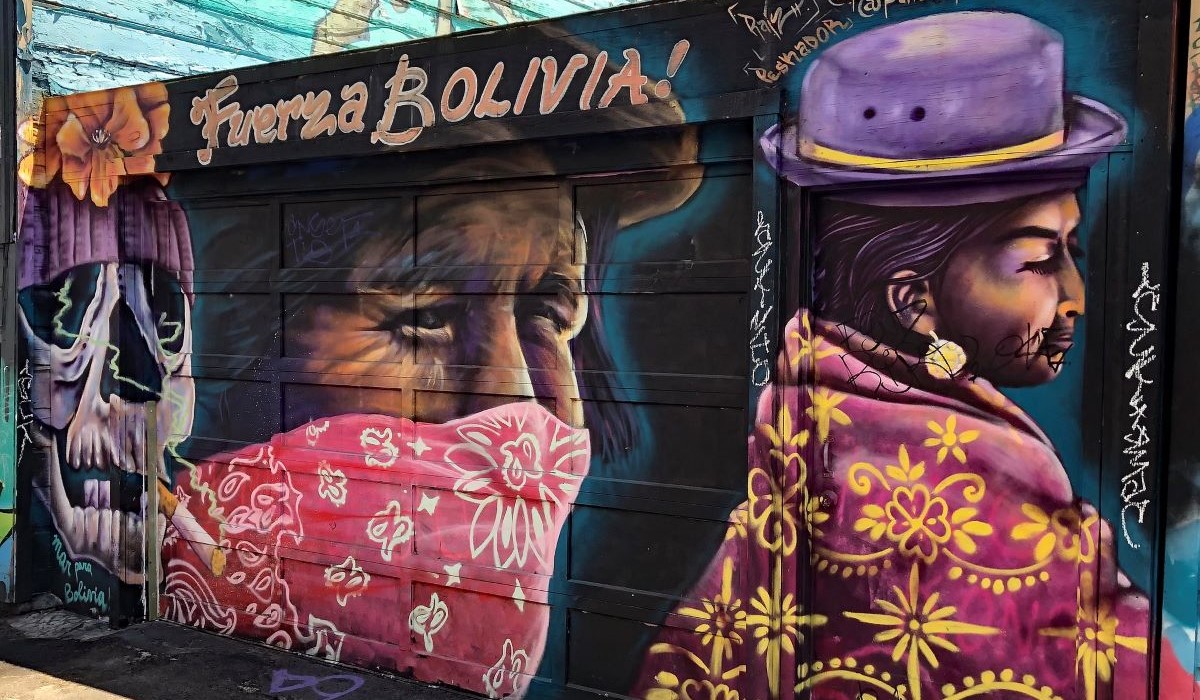
The Indigenous subject has been positioned as a key player in alternatives to development. These alternatives refer to Indigenous People’s struggles and knowledge as distinct ways of facing current crises – including environmental, food, and capitalist crises. This positioning can be interpreted as a result of different indigenous movements working together across borders, in search of self-determination and the fulfillment of their human rights. However, this indigenous subject, within academia and other spheres from which power emerges, tends to be framed in abstract characteristics and is dissociated from the complexity of its context. Therefore, the evocation of indigeneities does not necessarily correspond to the stance that these groups currently demonstrate.

Continue reading “Rethinking Indigeneity”

Interpreting Modernity: Exploring El Alto, Bolivia’s Perspective

By Guido Alejo, translated from Spanish by Maria Fernanda Córdova Suxo

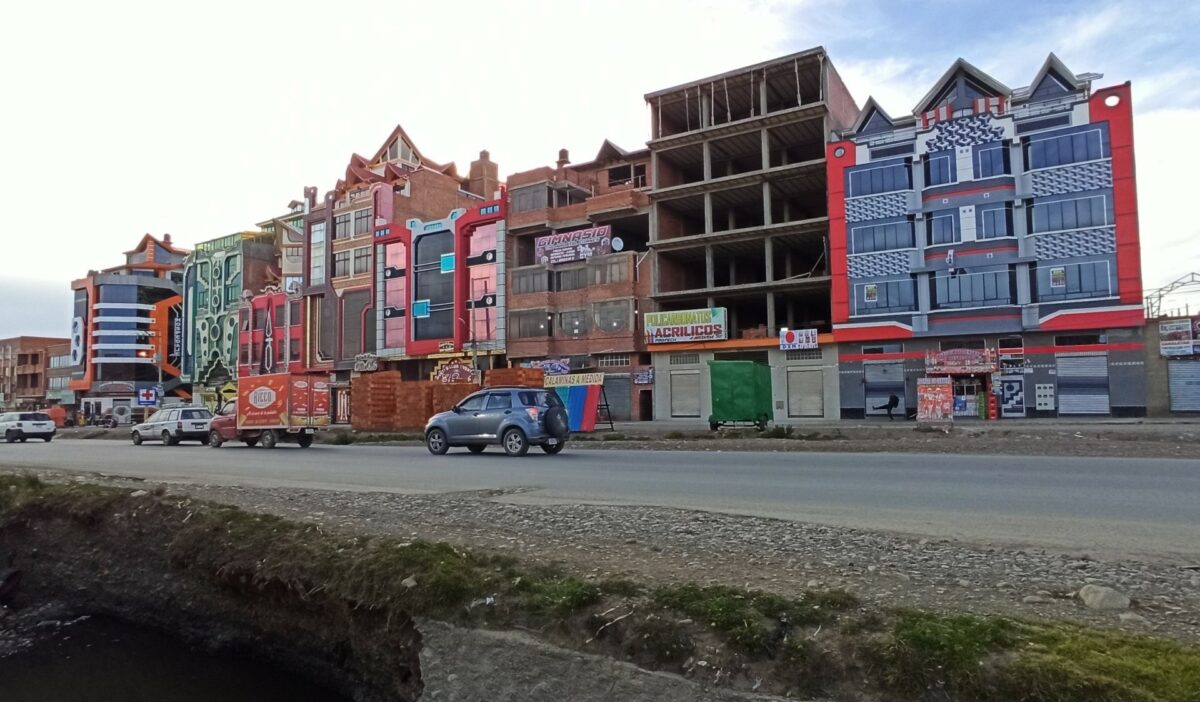
Within Bolivia, a country marked by high levels of economic informality – nearly 90% of its active workforce, according to the Centro Boliviano de Economía (CEBEC) – El Alto stands out. Perched at an elevation of 4,000 meters on the Altiplano plateau, this city embodies informality not only in its economy but also in its very inception, formed outside the realms of state planning. Being just 38 years old, El Alto is witnessing a profound evolution in its concept of modernity. Here, a dynamic interplay between economic advancement, social mobility, and the redefinition of urban identity is underway.

Continue reading “Interpreting Modernity: Exploring El Alto, Bolivia’s Perspective”