
The Limits of Exporting Development: Lessons from Afghanistan

By Abdullah Qayomi

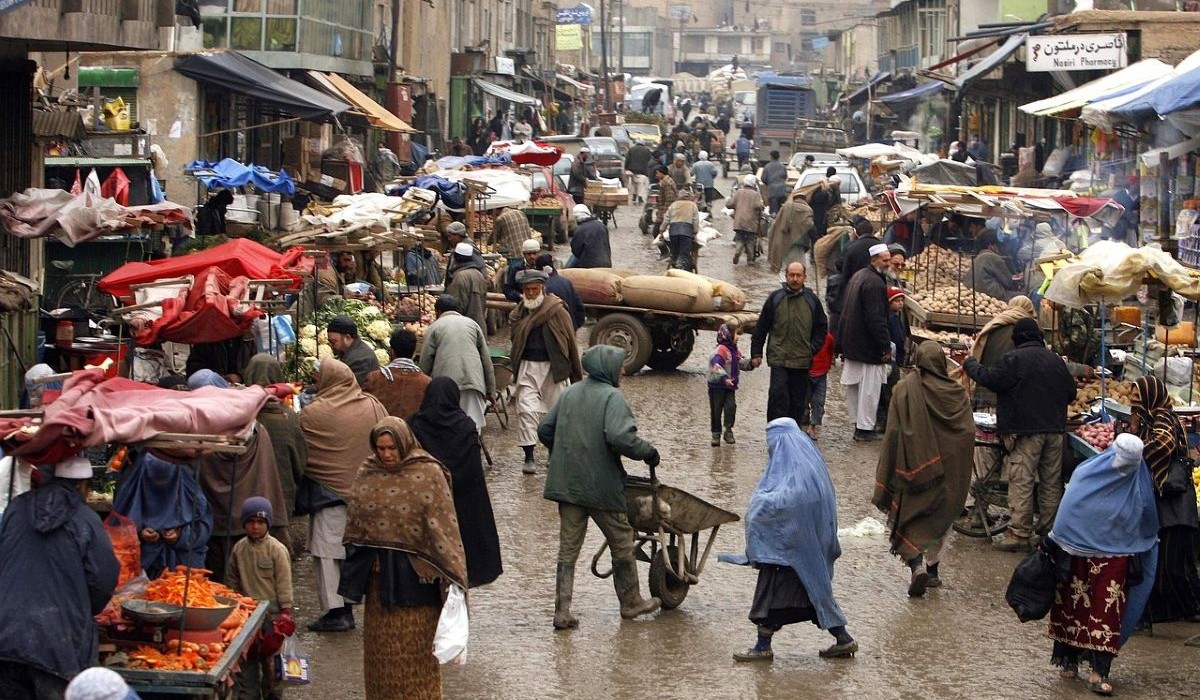
Between 2001 and 2021, Afghanistan received more international development assistance than almost any country in modern history. Nevertheless, the Afghan state fell apart within days creating social chaos and causing the country to hit rock-bottom socially, economically and politically like never before in its history. The explanation for such a level of societal fragility, after billions of U.S. Dollar investment, is disturbing and simply beyond corruption or poor implementation. This is not to deny the importance of corruption, insecurity, political fragmentation, regional interference, or insurgency. Rather, these factors became so devastating because the development approach itself failed to build institutions that were socially legitimate and locally rooted.

Continue reading “The Limits of Exporting Development: Lessons from Afghanistan”
Rethinking “Development”: Why We Must Embrace Uncertainty

By Ian Scoones

When Mark Carney, Prime Minister of Canada, stood on the Davos stage and proclaimed that the current moment is not one of transition but one of rupture, everyone seemed to agree. But what new ways of thinking are needed to navigate this momentous rupture when geopolitical realignment, radical responses to climate change and new economic relations must emerge? Into this heady mix comes the idea of ‘development’, a perspective that emerged in the post-colonial period of the liberal, rules-based order, which is now seemingly gone. How then should ‘development’ be reimagined for a new world?

Continue reading “Rethinking “Development”: Why We Must Embrace Uncertainty”

Development in crisis: some reflections

By Christiane Kliemann

The accelerating frequency, interconnectedness and mutually reinforcing nature of contemporary crises call for holistic responses and a focus on synergies and potential discrepancies between various fields of action. What has Development Studies to offer here? Will it be able to prove that is truly inter- and transdisciplinary and contribute to the understanding of policy and governance challenges in the Global South in the face of multiple crises? Will it identify the possible levers for policy action and their potential impact for the most marginalised, also in the long term?

Continue reading “Development in crisis: some reflections”

Why Read the Human Development Reports of the UNDP?

By Juan Telleria

For more than 10 years, I have been researching the Human Development Reports (HDR) that the United Nations Development Programme (UNDP) has published since 1990. Many people told me that the Human Development paradigm was outdated, and that the Millennium Declaration (2000) and the 2030 Agenda for Sustainable Development (2015) eclipsed the influence of the HDRs. I do agree. However, I found that properly understanding the ins and outs of this development paradigm was of much importance to detect and expose the contradictions and limitations of current development debates. Continue reading “Why Read the Human Development Reports of the UNDP?”