

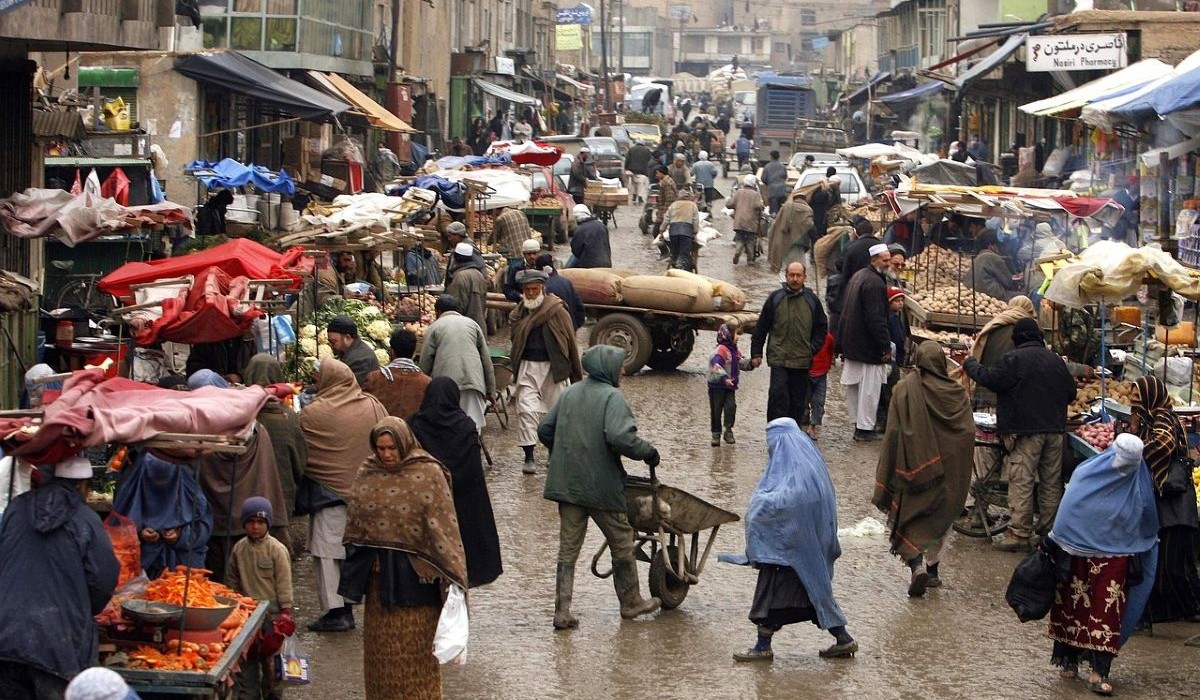
The Limits of Exporting Development: Lessons from Afghanistan

By Abdullah Qayomi

Between 2001 and 2021, Afghanistan received more international development assistance than almost any country in modern history. Nevertheless, the Afghan state fell apart within days creating social chaos and causing the country to hit rock-bottom socially, economically and politically like never before in its history. The explanation for such a level of societal fragility, after billions of U.S. Dollar investment, is disturbing and simply beyond corruption or poor implementation. This is not to deny the importance of corruption, insecurity, political fragmentation, regional interference, or insurgency. Rather, these factors became so devastating because the development approach itself failed to build institutions that were socially legitimate and locally rooted.

Continue reading “The Limits of Exporting Development: Lessons from Afghanistan”

Beyond Innovation: Exnovation as a Catalyst for Post-Growth Transitions

By Sabrina Chakori

Post-growth entrepreneurship: the need for non-extractivist models

There is growing recognition that responding to the socio-ecological crisis requires more than technological fixes. There is a need to shift away from palliative interventions, which remain limited to promoting incremental or unproven technological approaches, and to embrace more radical interventions that address the structural drivers of environmental degradation and social inequality. This has led to an interest in degrowth and post-growth economies as a way to catalyse transformational change. Degrowth (or post-growth) can be defined as aiming at an equitable downscaling of production and consumption that increases human well-being and enhances ecological conditions at the local and global level, in the short and long-term.

Continue reading “Beyond Innovation: Exnovation as a Catalyst for Post-Growth Transitions”