

By Ben Radley and Imogen Eagles
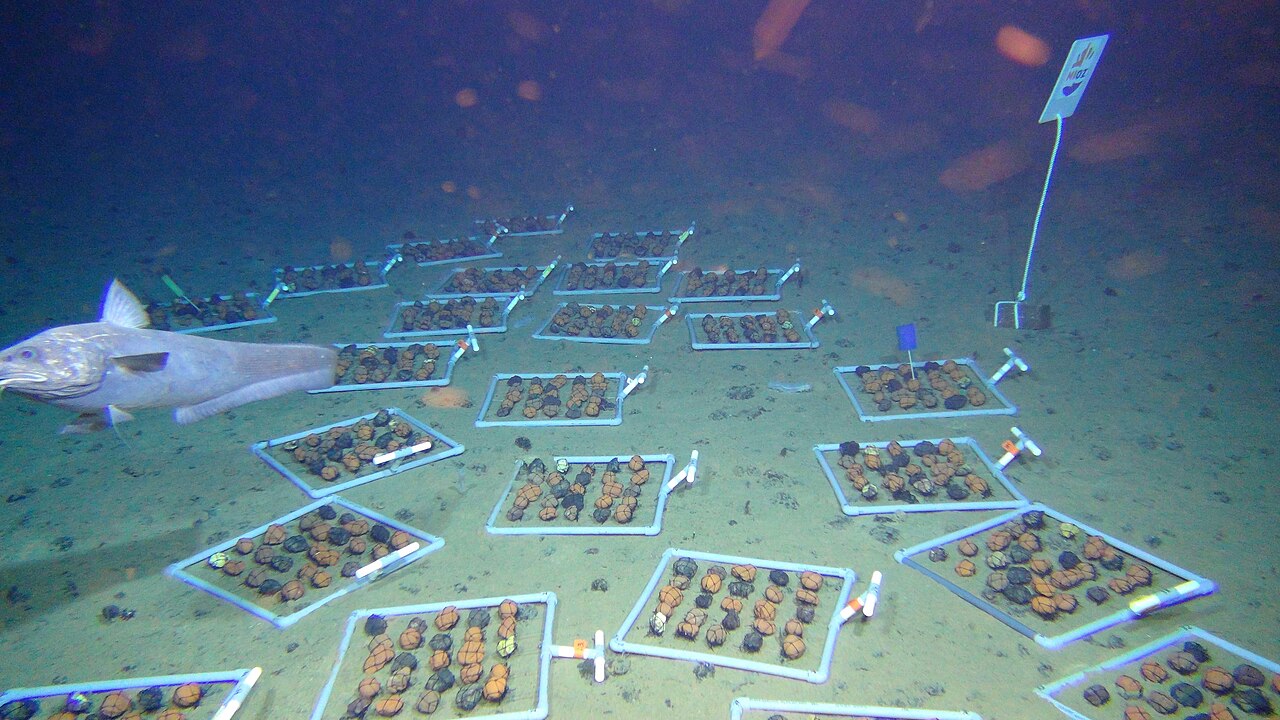
The ocean’s seabed contains vast deposits of minerals deemed critical for green transition technologies, military defence systems and AI hardware, among other uses. According to some estimates, the Clarion-Clipperton Zone alone – an approximately 4.5 million square kilometre abyssal plain in the Pacific Ocean – holds more copper, nickel and cobalt than all land-based deposits combined. With China’s recent tightening of export controls on several critical minerals creating global price shocks and disrupting Western supply chains, geopolitical contestation to access and exploit seabed minerals is heating up.
Continue reading “The Shifting Geopolitics of Deep-Sea Mining in the Pacific Islands Region: an Industry Poised to Emerge?”
