
Cooking Knowledge Together: Rethinking Collaboration in Academia

By Luca Sára Bródy

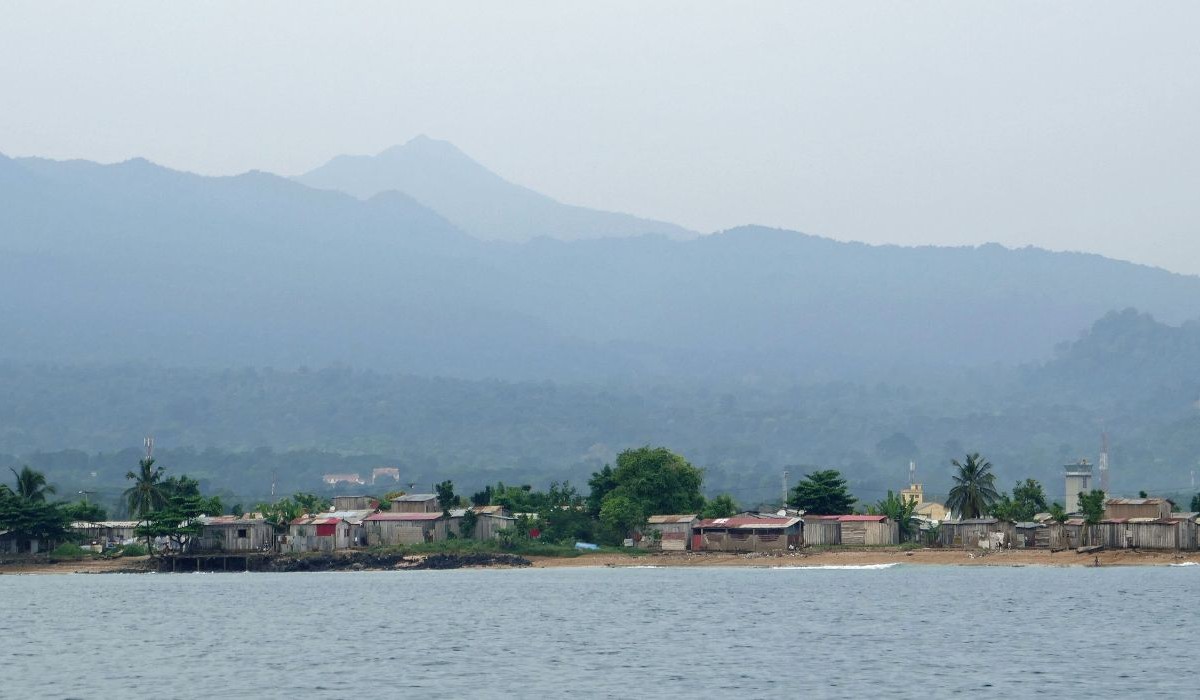
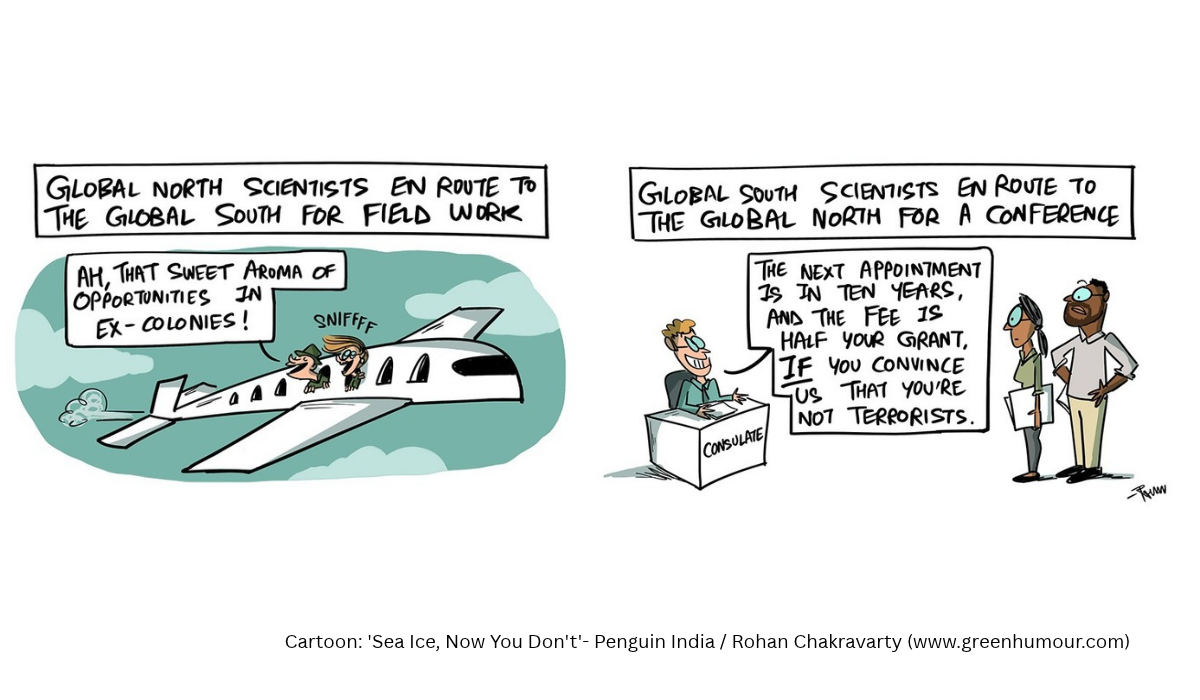
In an era of overlapping crises – from climate breakdown to deepening social inequalities – calls for more “impactful” research are everywhere. Universities promise solutions, funding bodies demand relevance, and scholars are expected to produce knowledge that can address urgent societal challenges. But what if the problem is not only what research produces, but how it is done – and why current ways of doing research so often fail to respond to these crises?

Continue reading “Cooking Knowledge Together: Rethinking Collaboration in Academia”

Why Development Economics Should Claim Adaptation Finance

By Pınar Yardımcı

Adaptation to climate change has firmly entered the vocabulary of global development policy. From the Paris Agreement to the Sustainable Development Goals, international frameworks increasingly recognise that the most vulnerable countries need dedicated financial support to cope with a crisis they did not create. The rhetoric is unambiguous: adaptation is urgent, non-negotiable, and overdue.

Continue reading “Why Development Economics Should Claim Adaptation Finance”

The Consensus on Gender Equality was a Mirage: Reflections on CSW70

By Karmen Tornius and Lars Engberg-Pedersen

Speaking of the Commission on the Status of Women 70th Session (CSW70), the UN Secretary General Antonio Guterres said: “The fact that the commission, for the first time in its history, went to a vote, tells us about the headwinds that we are all facing.” Many women’s organizations and feminists also rang the alarm bells. In all previous sessions, the CSW’s Agreed Conclusions had been adapted by consensus.

Continue reading “The Consensus on Gender Equality was a Mirage: Reflections on CSW70”

Geostrategic Axes and Transitions in Development Cooperation

By José Antonio Alonso

The international aid system is going through one of the most delicate moments in its history, largely due to its inability to respond effectively to changes in the global environment. The crisis affects the broad universe of development cooperation, but it is particularly acute in the case of Official Development Assistance (ODA), its most clearly defined component and the one whose foundations have been most eroded. The decline in Official Development Assistance (ODA) in 2025 is merely the epiphenomenon of a deeper and more structural malaise. Not only have the sources of aid’s legitimacy weakened, as noted by Molenaers, but so too have the power structures, doctrinal underpinnings, and value system upon which the aid architecture has traditionally rested.

Continue reading “Geostrategic Axes and Transitions in Development Cooperation”

The Double Legitimacy Crisis of the Old Aid Order: Four Scenarios for Development Cooperation and their Plausibility

By Nadia Molenaers

Development cooperation is not simply facing another cyclical debate about effectiveness. It is facing something deeper: a crisis of the very roles through which it has historically been justified. For decades, development cooperation drew its legitimacy from two overlapping functions. First, it was seen as an instrument of international influence: a way for states to build relations, project (democratic, human rights) values, and shape the international environment. Second, it was presented as a symbol of international solidarity: an expression of moral responsibility, redistribution, and a concern for global inequality.

Continue reading “The Double Legitimacy Crisis of the Old Aid Order: Four Scenarios for Development Cooperation and their Plausibility”