
Why “Community-Led” Health Programmes Often Aren’t as Local as They Claim

By Bernabas Petros and Bethelhem Teshome / Shaping Sustainable Futures conference series

Global health policy loves a good success story. Community health workers are constantly praised as the backbone of efforts to achieve SDG 3 — healthy lives and well-being for all. From Ethiopia’s famous Women Development Army to Malawi’s Health Surveillance Assistants and the UK’s Community Health Champions, these initiatives are regularly showcased as shining examples of “localization” in action.

But there’s a problem. Localization is talked about far more than it is genuinely practiced.

Continue reading “Why “Community-Led” Health Programmes Often Aren’t as Local as They Claim”
Medical Drones in Africa: A Gamechanger for the Continent’s ‘Ailing’ Health Sector?

By Edwin Ambani Ameso and Gift Mwonzora

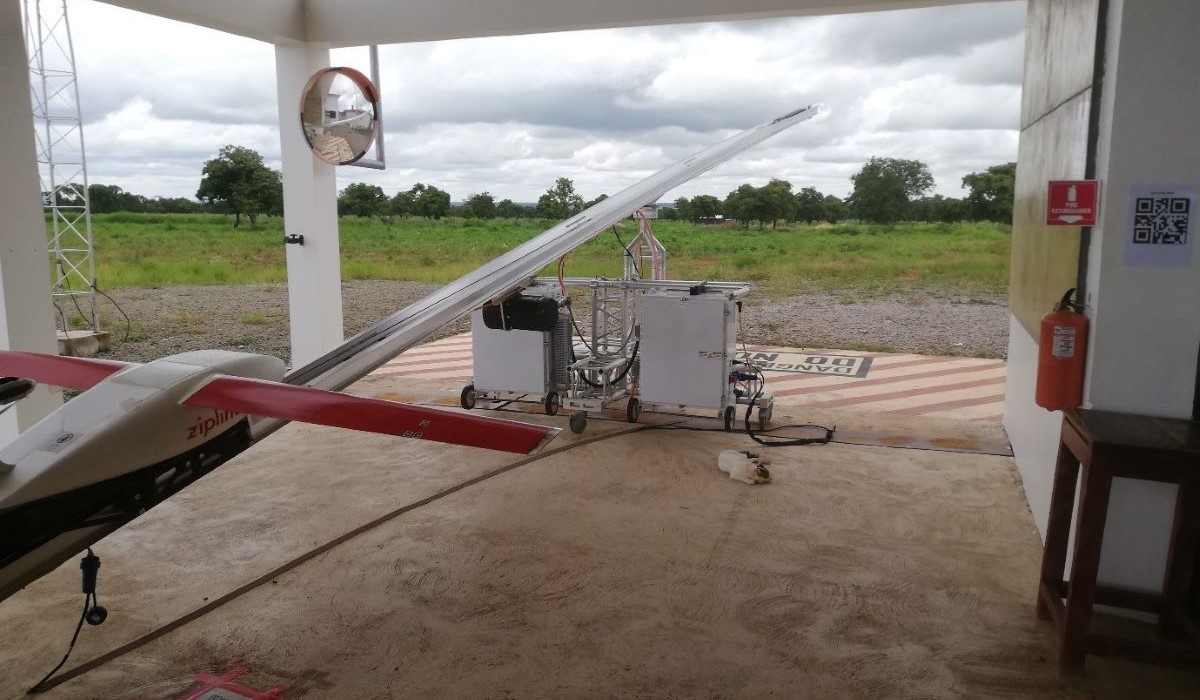
While medical drones can be lauded as game-changing health technologies that help save lives, and usher efficiency and cost-effectiveness in the often contextualized as fragile African health systems, Edwin Ambani Ameso and Gift Mwonzora argue that this is not the complete picture.

Continue reading “Medical Drones in Africa: A Gamechanger for the Continent’s ‘Ailing’ Health Sector?”

Health-Energy-Nexus: How off-grid energy can play a vital role in quality healthcare provision in Sub-Saharan Africa

By Jonas Bauhof and Callistus Agbaam

Access to electricity

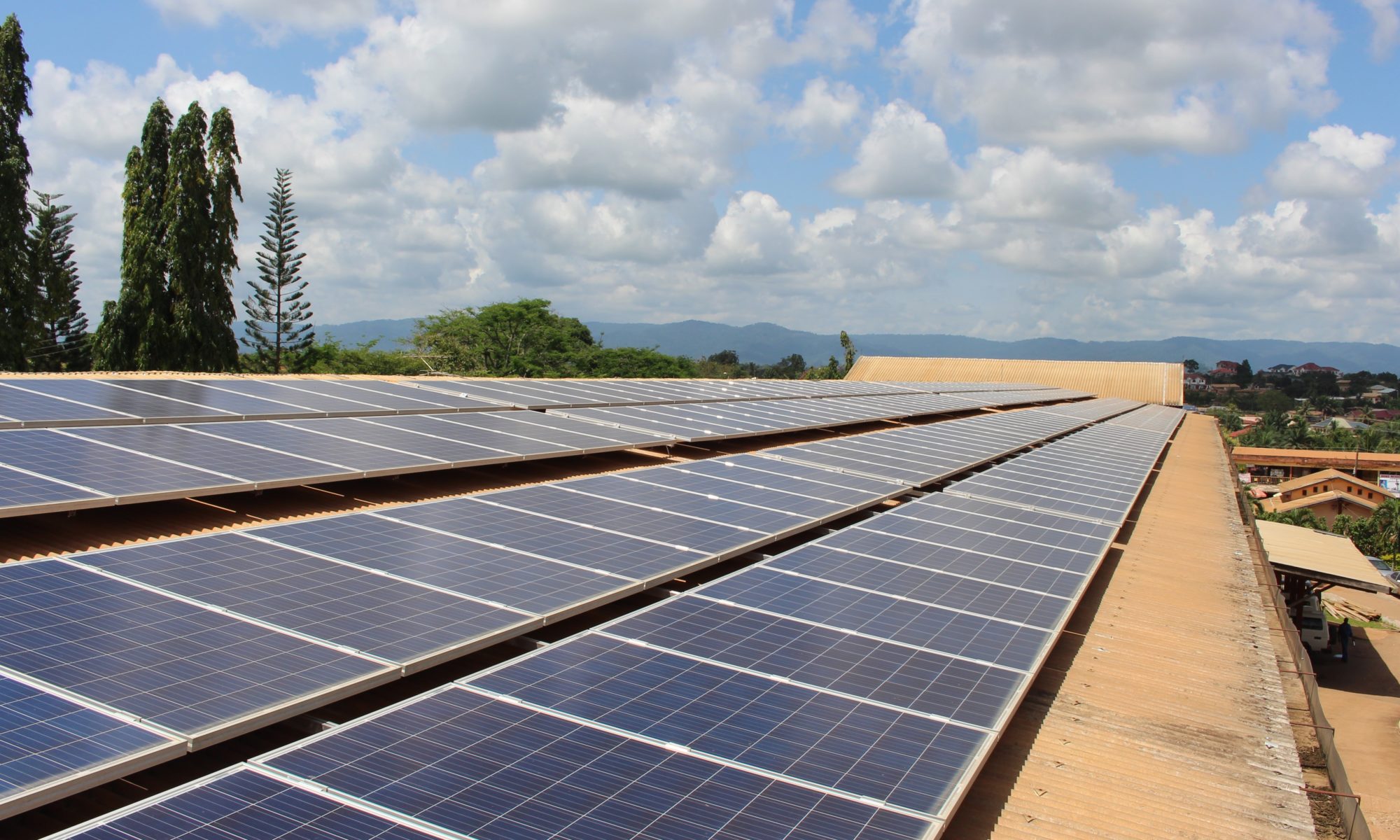
In 2019, 770 million people were without access to electricity globally. They are left without the possibility of using electric light at night, powering refrigerators and stoves, or charging their phones and other devices. Until 2019, the number constantly decreased but the Covid-19 pandemic reversed the trend. In its World Energy Outlook 2021 report, the International Energy Agency (IEA) predicts that between 2019 and 2021 the global number of people without access to electricity stuck at its pre-crisis level – after seeing improvements by around 9% annually since 2015. In Sub-Saharan Africa (SSA), for the first time since 2013, the numbers are likely to have even increased in 2020.

Continue reading “Health-Energy-Nexus: How off-grid energy can play a vital role in quality healthcare provision in Sub-Saharan Africa”

Sustainable energy supply: the case of health facilities in Ghana

By Jonas Bauhof

Access to electricity is still a major problem

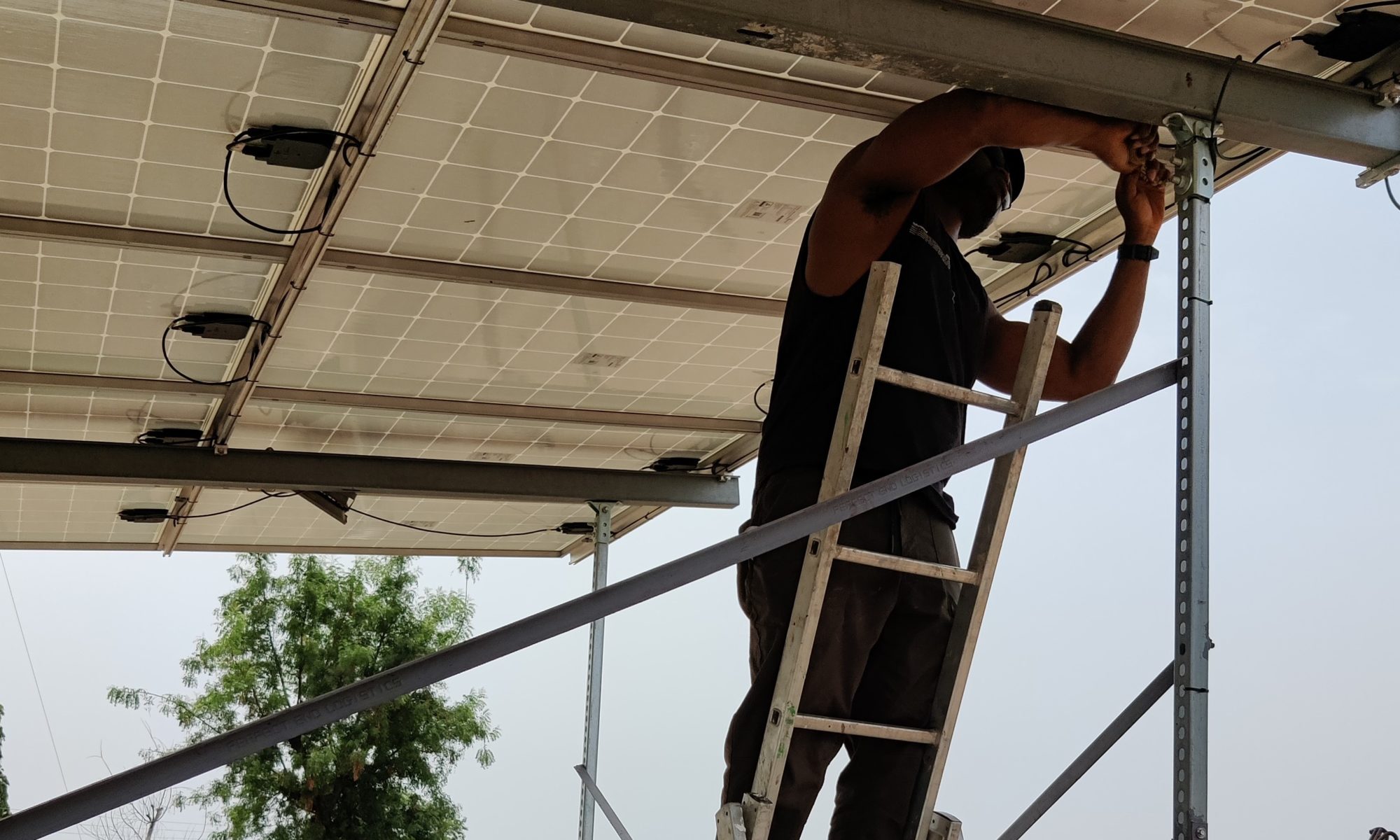
According to the International Energy Agency (IEA), 770 million people lacked access to electricity in 2019 – set aside sustainable energy sources. Three-quarters of these people – around 575 million – are living in Sub-Saharan Africa (SSA). While the numbers declined over the past decade, the Covid-19 pandemic has reversed the trend. SSA has been hit hard economically and for the first time since 2013, the number of people with access to electricity is predicted to have decreased in 2020. Continue reading “Sustainable energy supply: the case of health facilities in Ghana”

The Coronavirus pandemic and the irrelevance of the SDGs

By Remco van de Pas

We are awakened to a new reality. The pandemic outbreak by an infectious pathogen comes to no surprise to the Global Health community. The World Health Organization (WHO) has prepared for pandemic scenarios and response plans since over a decade, albeit that they have been written for an influenza virus, not for the coronavirus disease (covid-19) pandemic that we currently face. What is unpresented though is how countries fall back on their own security and economic matters, and that multilateral cooperation is under severe constraints. A large part of the planet’s population is currently under some form of quarantine and travel restrictions. This is unprecedented in human history. Continue reading “The Coronavirus pandemic and the irrelevance of the SDGs”