
How Social Science Fiction Could Transform Development Research: Extending our Methodological Horizons

By Laura Camfield

In an era of increasing complexity and uncertainty, conventional methodological approaches to pressing development concerns such as extreme income inequality often fall short. In a new reflection paper, Andy Sumner and I propose a new approach, social science fiction (SSF), not merely as an opportunity to cultivate empathy, but also as a robust methodological tool for development research.

Continue reading “How Social Science Fiction Could Transform Development Research: Extending our Methodological Horizons”

Convergence, Divergence, Flatlining or Plateau: What has Happened to Inequality between and within Countries over the Last Decade?

By Saumik Paul and Andy Sumner

Understanding inequality trends remains central to assessing both development progress and global justice. Two major dimensions—inequality between countries and inequality within countries—have long structured debate in Development Studies. In the 1990s, Lant Pritchett’s provocation that the world was experiencing “divergence, big time”  captured the mood of an era in which income gaps between countries were seen to be widening. More recently, the “converging-divergence” thesis proposed by Horner and Hulme in late 2010s argued that while inequality between countries was declining, inequality within countries was on the rise. In this blog, we argue that something new has emerged over the last decade akin to a flatlining or plateauing.

Continue reading “Convergence, Divergence, Flatlining or Plateau: What has Happened to Inequality between and within Countries over the Last Decade?”

What is the Salience of Arthur Lewis’ Ideas for Understanding Global Inequality Today?

By Andy Sumner

Seventy years ago, Arthur Lewis wrote a seminal paper on economic development in the Global South. At a workshop at the Global Development Institute, University of Manchester, convened by the EADI Working Group on the Politics and Political Economy of Economic Transformation, co-convenor Pritish Behuria and GDI’s Adam Aboobaker, it was clear Lewis’ relevance is as significant today as ever. This blog reflects on Lewis’ contributions to the study of global inequality.

Continue reading “What is the Salience of Arthur Lewis’ Ideas for Understanding Global Inequality Today?”

Uneven Decommodification Geographies and Global Structural Inequalities

By Geoff Goodwin

When Covid-19 ground the world economy to a halt in early 2020, governments from across the political spectrum took measures to shield sectors of society from the full impact of the socioeconomic crisis. Yet the scale and form of these responses varied enormously between countries and regions. What explains this unevenness? What does it tell us about capitalism today? I take up these questions in a new article in EPA: Economy and Space.

Continue reading “Uneven Decommodification Geographies and Global Structural Inequalities”

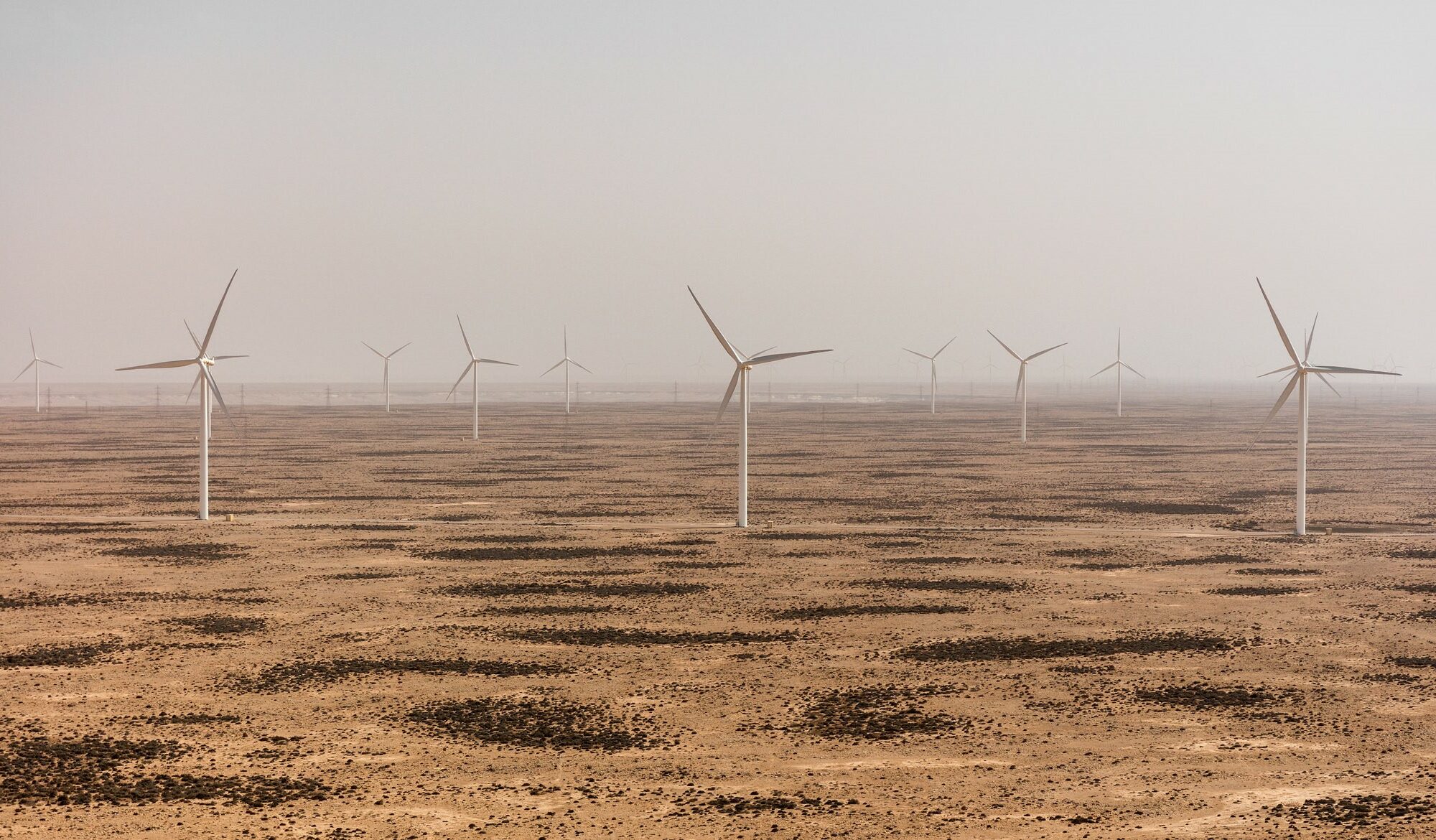
Securing sufficient, sustainable energy for-all needs a massive reduction in global inequality

By Joel Millward-Hopkins

Few people believe that the world’s poorest should remain in their current situation of material poverty – and fewer still would admit such a belief in public. Perhaps even fewer believe that it would be acceptable for humans to trigger a global ecological disaster. Most can thus agree that there are billions around the world for whom living standards should be improved, and that humans should endeavour to keep the only habitat in our solar system habitable.

Continue reading “Securing sufficient, sustainable energy for-all needs a massive reduction in global inequality”