
The Gendered Cost of Waiting for Justice

By Irma Nugrahanti

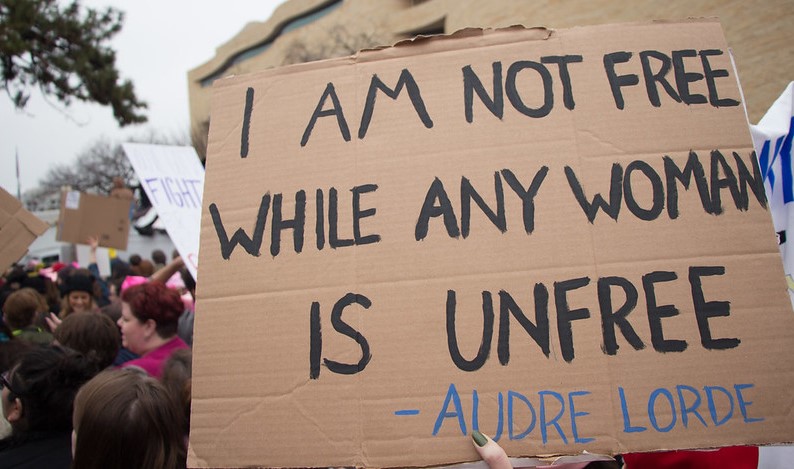
In the field of feminist economics, cost extends beyond mere budgetary figures, market prices, or GDP metrics. It encompasses the often-invisible labour of social reproduction, the psychological stress of systemic inequality, and the burdens imposed by institutional delay, all of which disproportionately fall upon women due to patriarchal norms and power structures. The cost of waiting for justice is not only a metaphor, it is a multi-dimensional burden, shaped by gender, class, and geography. When the state neglects to deliver timely justice due to deferred reform, fiscal austerity, or inaction, the gap is not left unfilled. It is disproportionately absorbed by women through unpaid care work, informal labour, and social repair.

Continue reading “The Gendered Cost of Waiting for Justice”

Why gender matters to social movements

By Stacey Scriver and G. Honor Fagan | EADI/ISS Blog Series

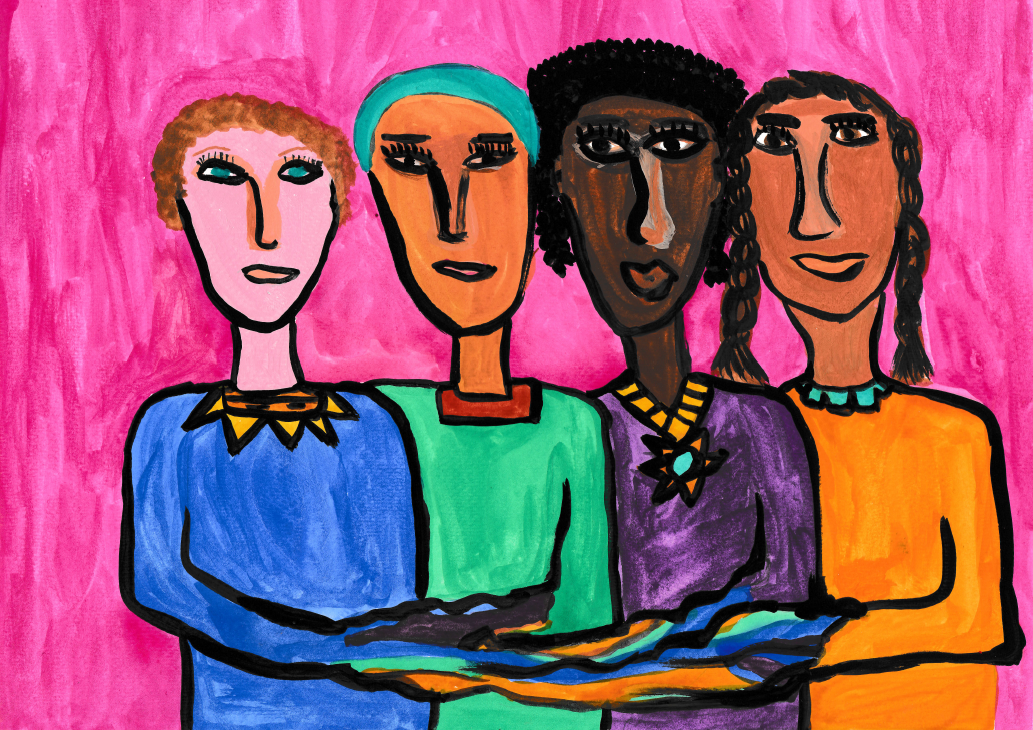
There are right and left, radical and conservative social movements at work in today’s volatile and unequal world.  Whether directed towards a transformative social justice agenda or not, social movements themselves do not exist outside of the structures of power. A growth in populist politics, a resurgence of religious movements with conservative agendas on gender and sexuality, and new male supremacist ideologies remind us that gender justice is an extremely challenging and ongoing struggle.  Continue reading “Why gender matters to social movements”

Moving out of identity silos and into intersectionality: the example of gender identity

By Smriti Sharma

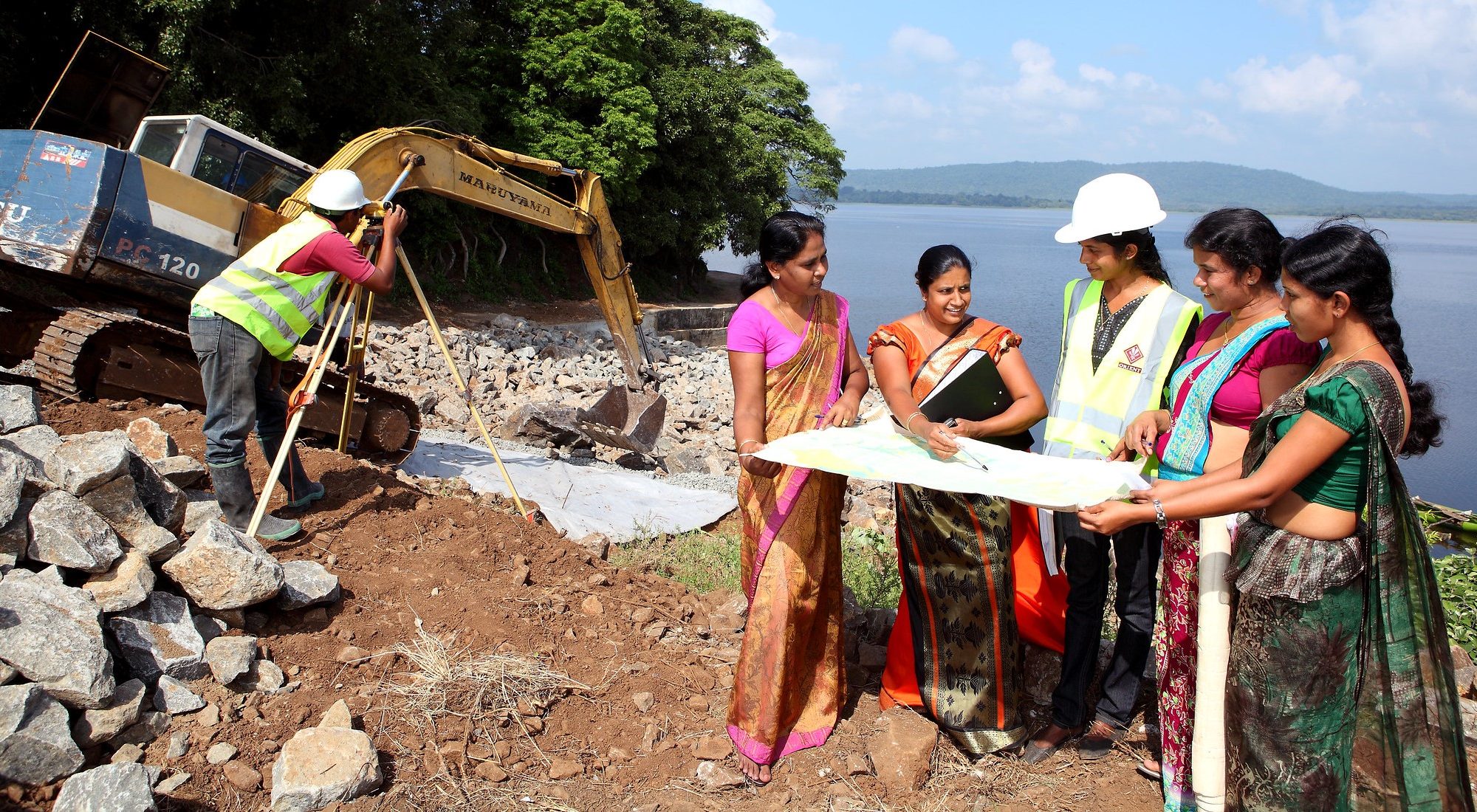
Women are undoubtedly doing better today than they were even 40-50 years ago. The gender gap has shrunk in many areas, including educational attainment, health, and employment and wages. Despite these advances, we cannot become complacent as there is still much work to be done. Continue reading “Moving out of identity silos and into intersectionality: the example of gender identity”

What does a gender lens bring to development studies?

By Wendy Harcourt

Gender in development studies

Gender is a familiar term now in development studies. It is one of those obligatory checks to critical work that look at inequalities, poverty and power relations.  I have been ‘doing’ gender in development studies now for three decades – as a feminist advocate and more recently as a professor – engaging in the different debates that have led to the visibility of gender as something to be understood, studied and practiced. Continue reading “What does a gender lens bring to development studies?”