
Food transformations and (un)sustainable diets: Taking consumption seriously in development research

By Arve Hansen

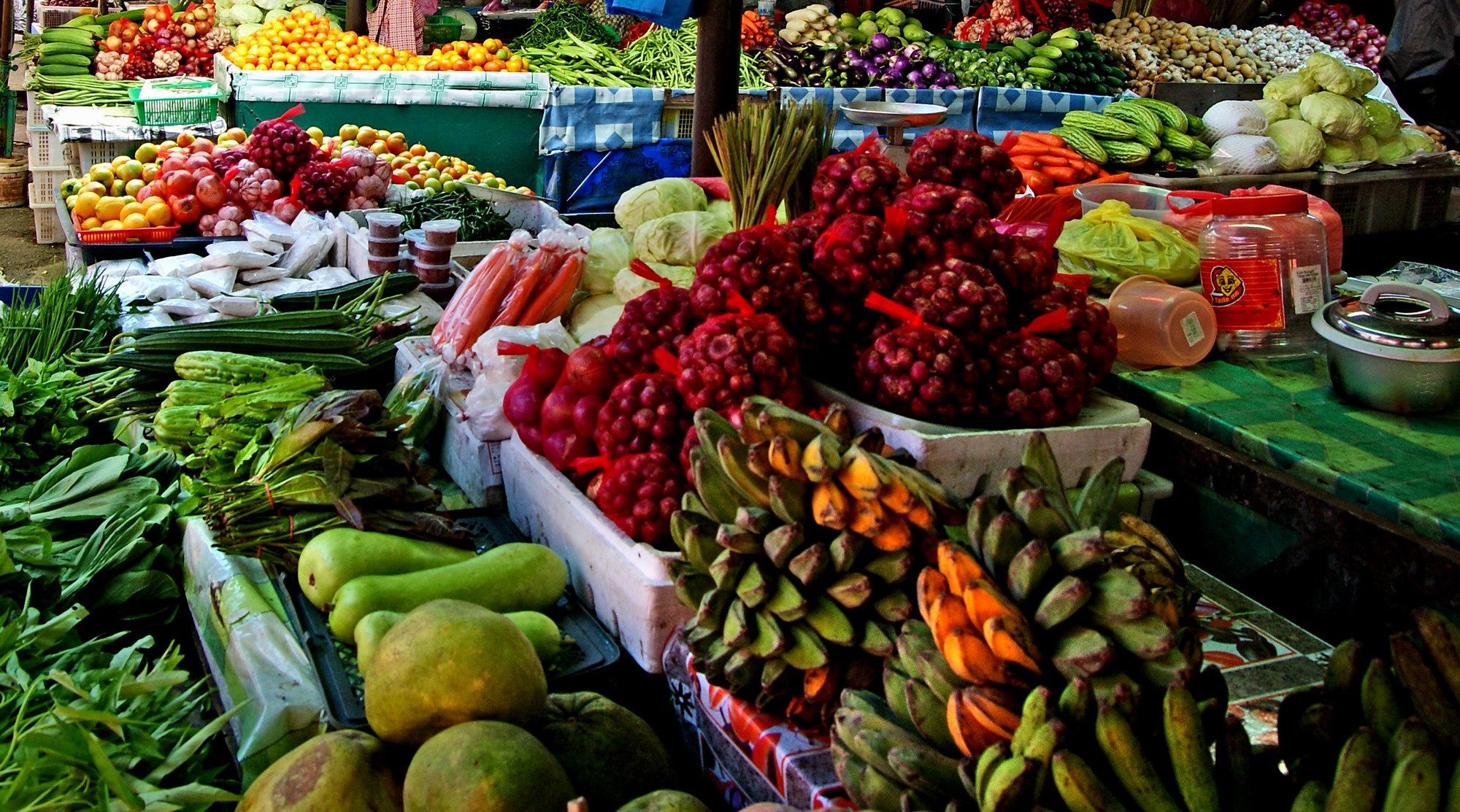
The world is in dire need of more sustainable and healthy food systems. The development field has much to say on the topic but has historically had a clear focus on either food supply or food deprivation. The potential benefits and positive spill-over effects of eating healthier and more sustainably have, however, led to increasing and wider attention to the demand side of food. Recent research suggests that the sustainability potential of dietary change is considerably larger than that of improving production. If we could just change what people eat, and at the same time avoid some of the ongoing nutrition transitions in low- and middle-income countries, it would have a massive ripple effect in entire food systems.

Continue reading “Food transformations and (un)sustainable diets: Taking consumption seriously in development research”

Who to blame? The rough start for living income cocoa prices in Côte d’Ivoire and Ghana

By Felix Maile, Bernhard Tröster, Cornelia Staritz and Jan Grumiller

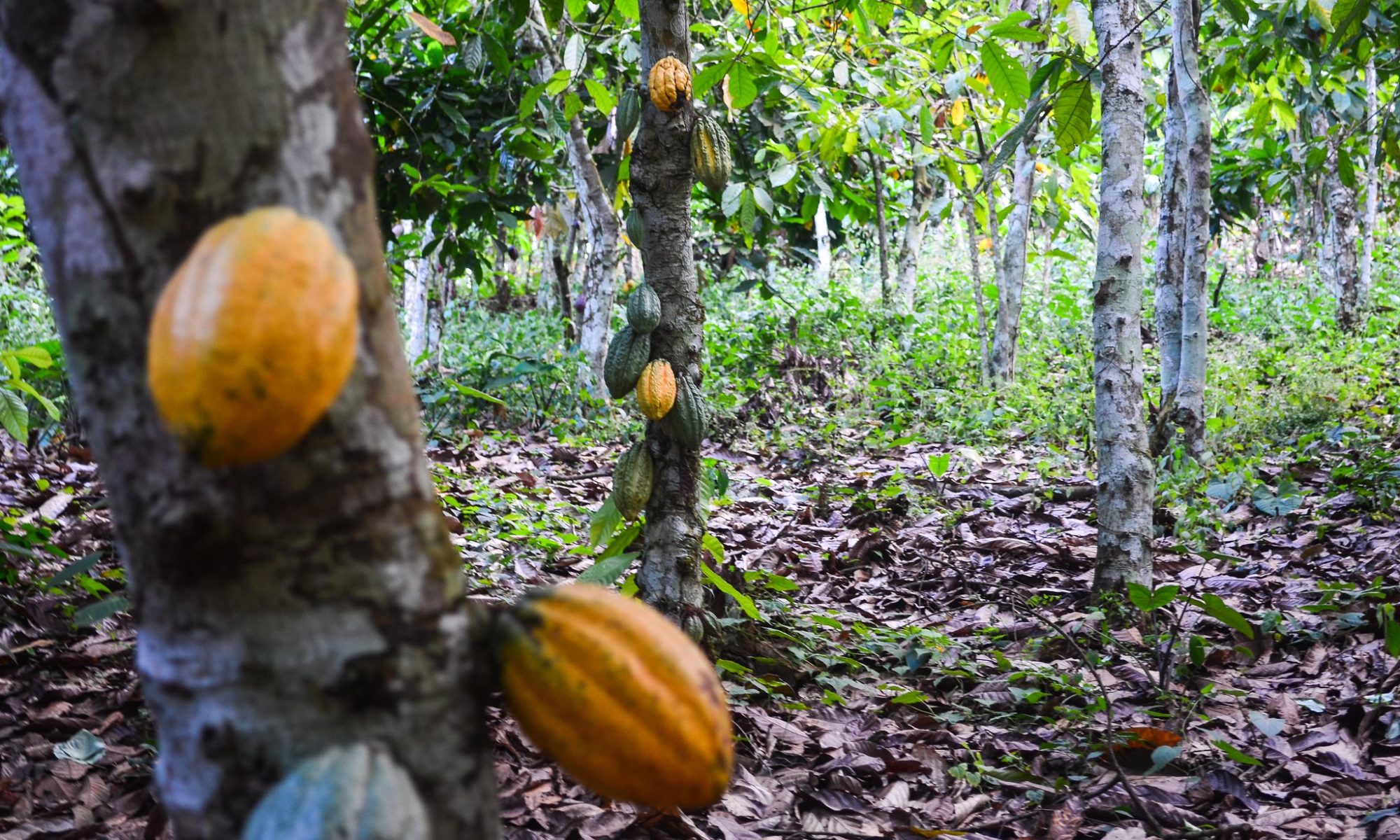
Commodity price instability is a major challenge for commodity-dependent countries. This is also true for the major cocoa producer countries Côte d’Ivoire and Ghana, which account for two thirds of world’s cocoa production. As we argue in a recent article in the EJDR , the two West African countries can challenge the price-setting power of highly concentrated international buyers through their state-governed price-stabilization measures. However, export and producer price stabilization is limited to one season and entails great risks for the state due to intra-seasonal price volatility. Moreover, inter-seasonal price instability is not addressed and largely born by smallholder farmers, and export and producer prices remain linked to world prices set on futures markets in London and New York.

Continue reading “Who to blame? The rough start for living income cocoa prices in Côte d’Ivoire and Ghana”

Time to consider ‘multidimensional poverty’ and ‘inequality’ in Fiji and the wider Pacific

By Kim Andreas Kessler

The recent adjustment of Fiji’s estimated poverty rate by the World Bank has caused controversies. While it is important to scrutinise this key figure, policy dialogue and policymaking should not miss the bigger picture. Economic poverty is only one dimension of poverty. Besides this, considering inequalities is crucial to evaluate Fiji’s progress and recalibrate polices aiming to enhance the quality of life of deprived Fijians.

Continue reading “Time to consider ‘multidimensional poverty’ and ‘inequality’ in Fiji and the wider Pacific”

What is Development Studies? 

Development Studies is an established area of scholarly enquiry, which implies some consensus over what the study of development entails. Does such a consensus exist?

Andy Sumner of King’s College London explores this question further in a new discussion paper

The Debate Revisited

Although there is some common understanding on Development Studies being about ‘development’ and inter-disciplinary as well as normative in orientation, there is a set of quite different approaches to Development Studies is or what Development Studies should be. 

Continue reading “What is Development Studies? “

The Legitimacy of Sustainability Initiatives in Tanzania 

By Rasul Ahmed Minja

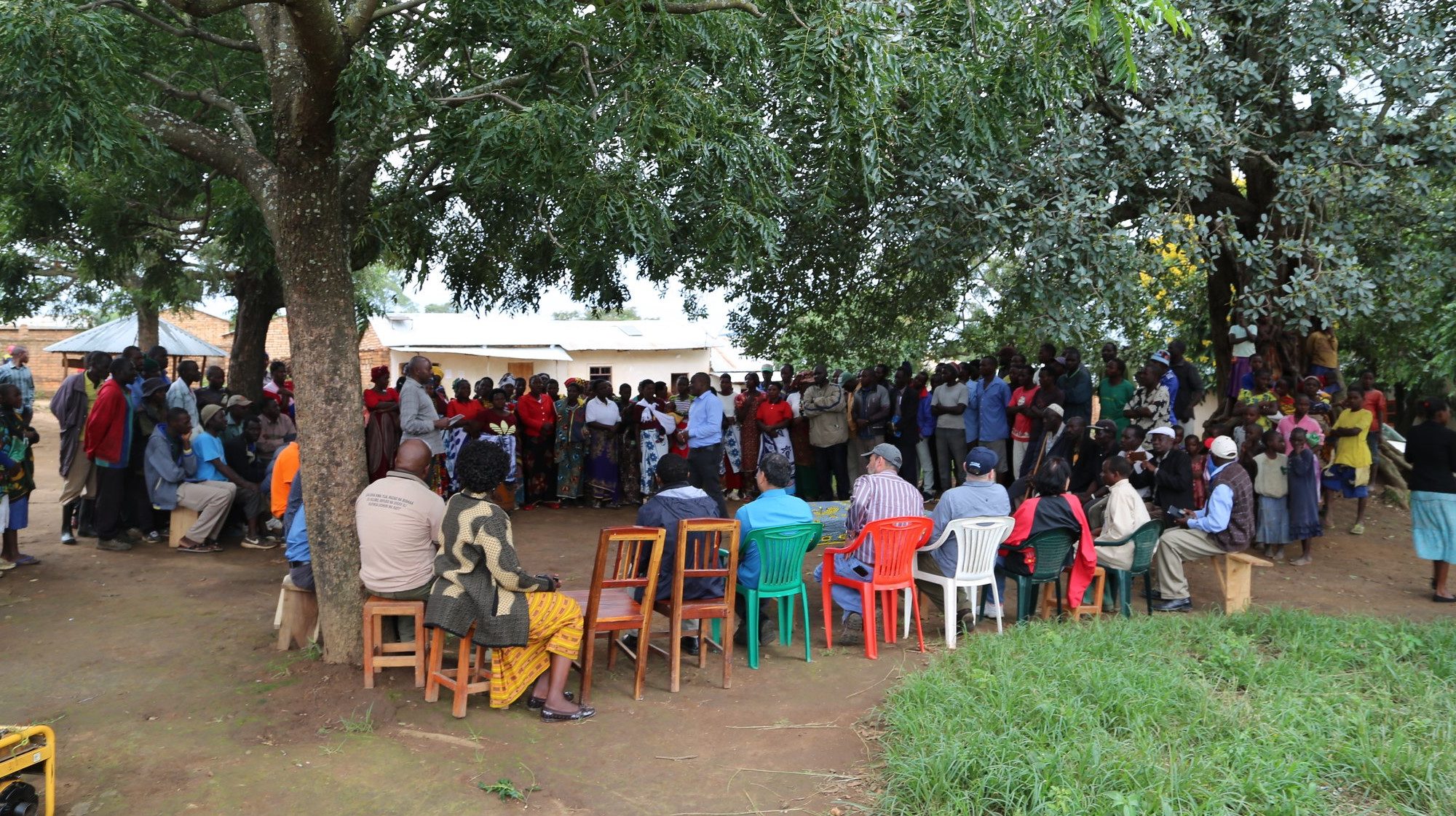
One of the chief concerns of new sustainability initiatives for managing natural resources and involving public and private actors is to build and retain legitimacy among different audiences and stakeholders, legitimacy understood as the ‘process where partnerships gain recognition and become accepted as a relevant alternative or supplement to government policy on a particular issue’. But how can we better understand the legitimacy of sustainability partnerships from the perspective of local communities? Or, more precisely, how do different sustainability partnerships develop, gain (or fail to gain), and manage legitimacy in local communities? What kinds of legitimacy do they seek and how? And which paths for building and maintaining legitimacy yield what kinds of perceived conservation and socio-economic outcomes?

Continue reading “The Legitimacy of Sustainability Initiatives in Tanzania “