
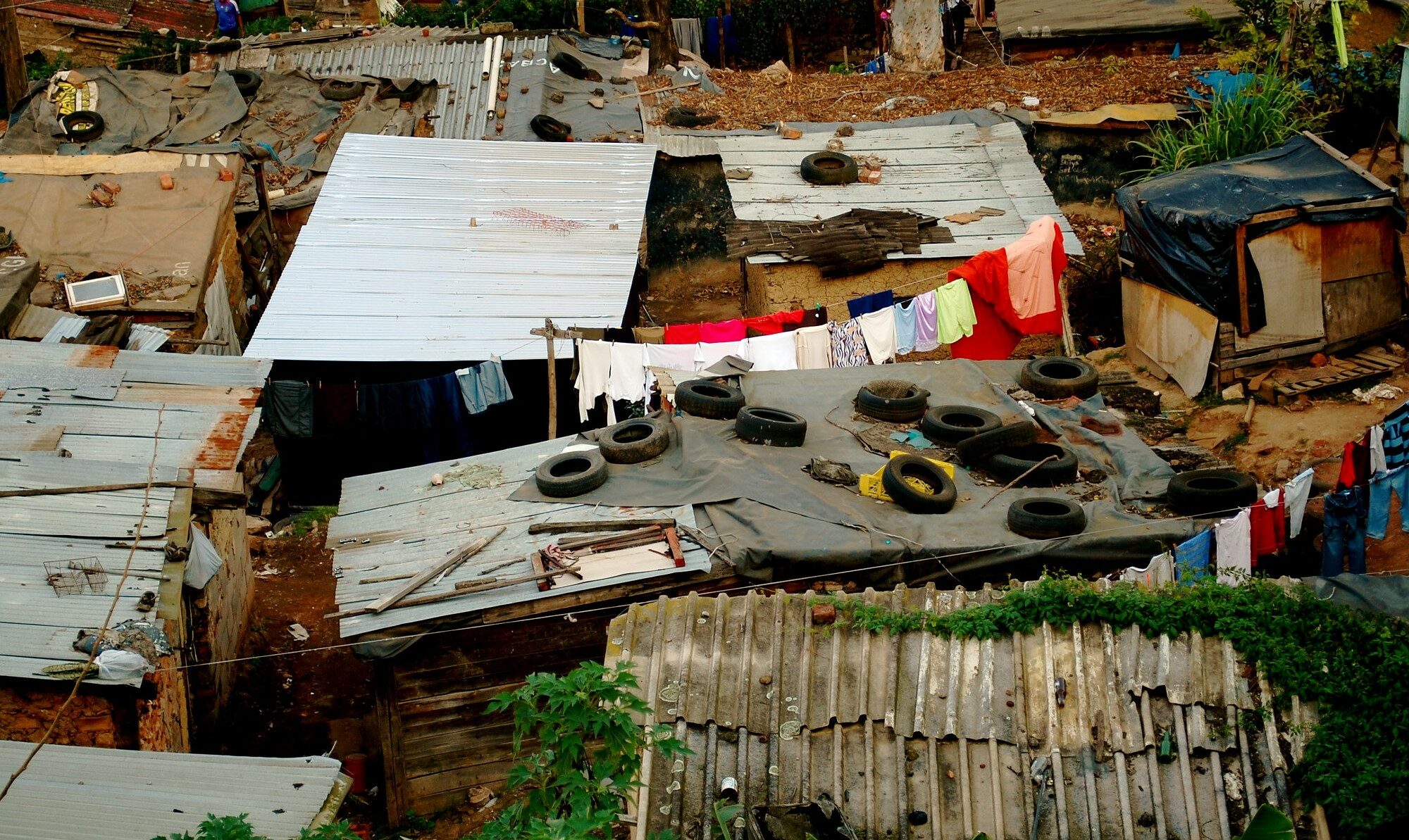
Reflections on Development in Development Studies

By Henning Melber

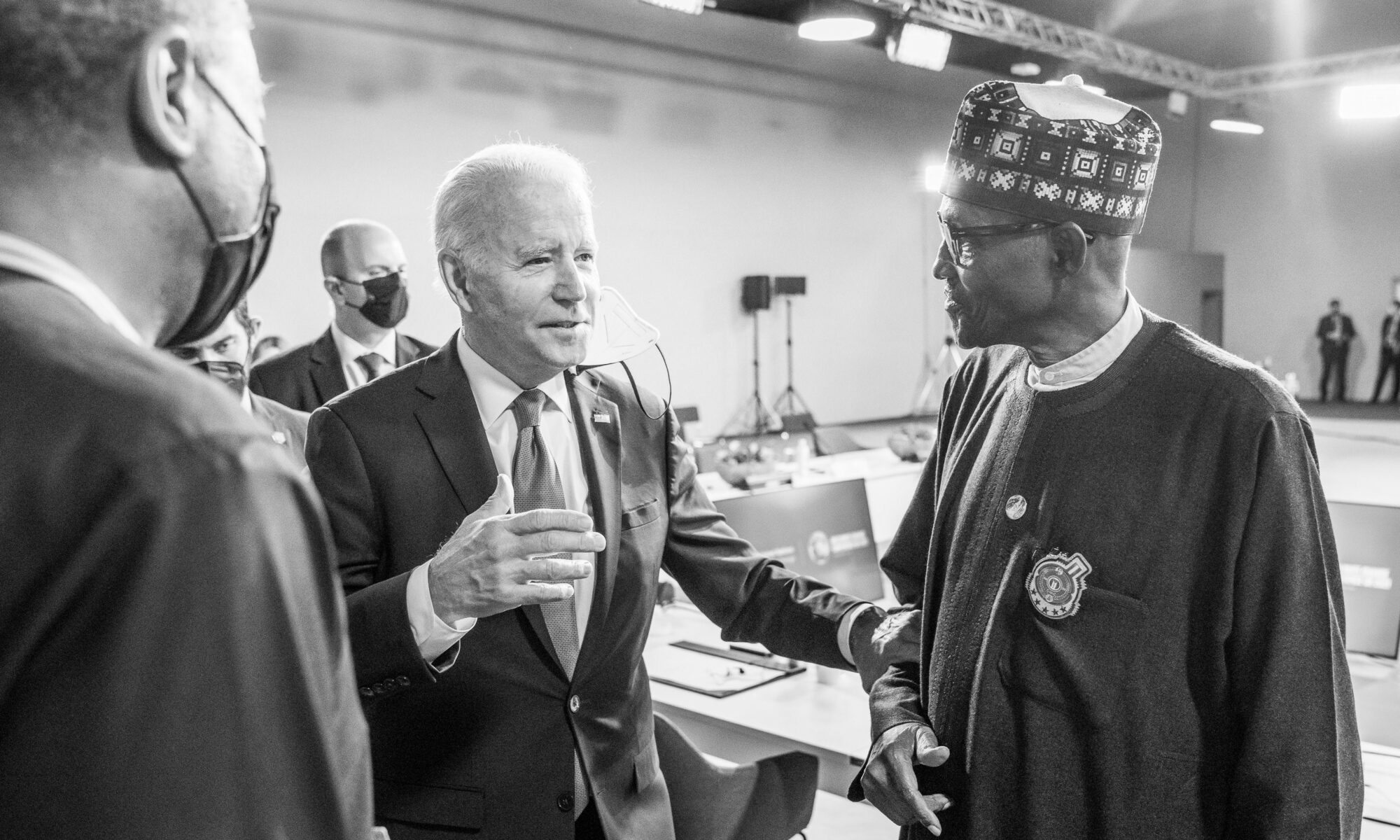
There is a history to Developmentalism long before the US-American President Truman’s interpretation in his inaugural address of 1949. He then advocated development as an integral part of Western policy embracing the emerging independent states through aid in support of sovereign governance. An embracement, which often turned out to be more of a strangulation than a provision of oxygen to breathe the winds of change as signs of freedom and self-determination to make own choices.

Continue reading “Reflections on Development in Development Studies”

Contested development imaginaries: Hindutva and the co-optation of ‘decolonisation’

By Kalpana Wilson, Giti Chandra and Lata Narayanaswamy

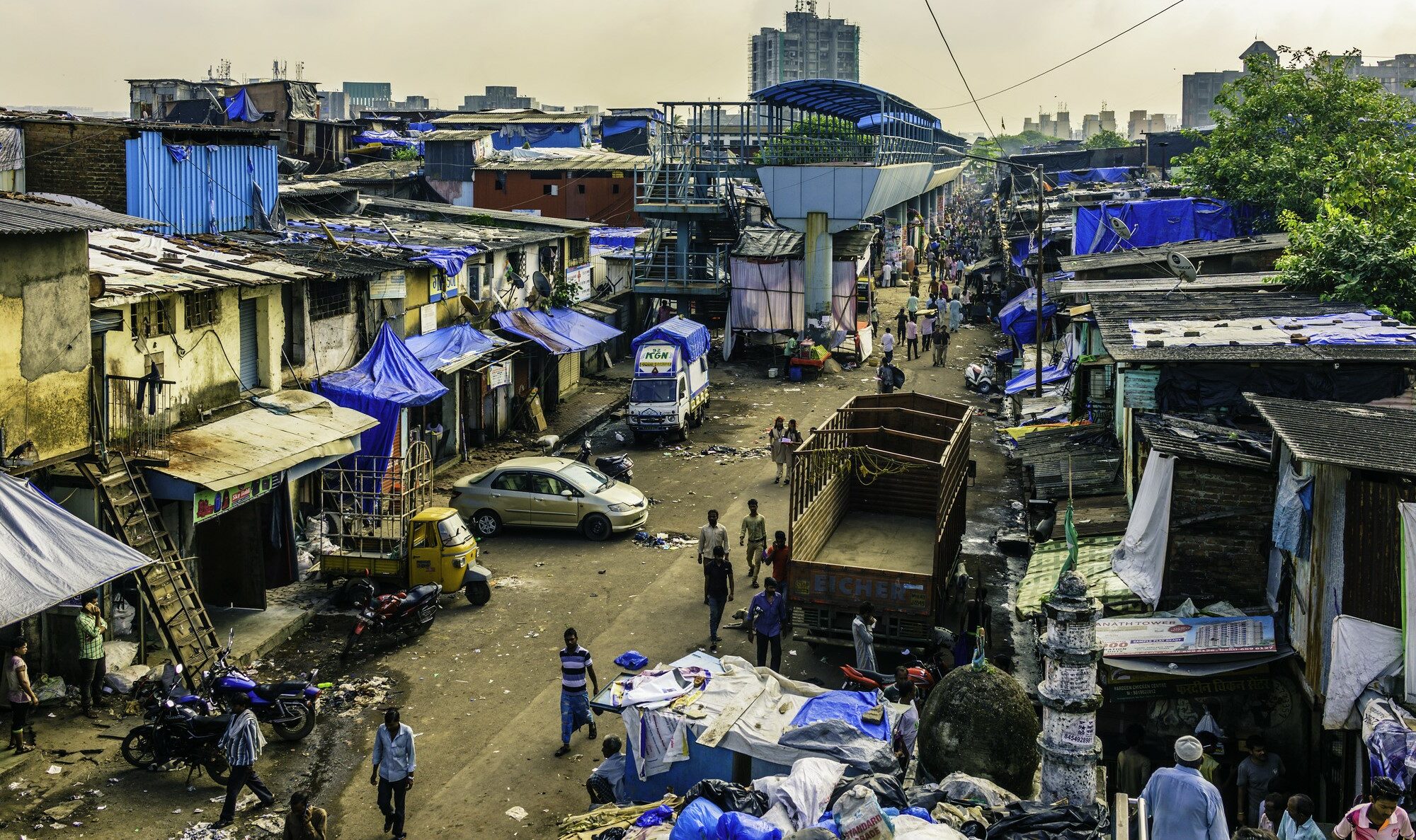
We live in a time where deeply embedded, historically entangled perceptions persist of a bifurcated world, made up of a civilised ‘developed’ or ‘rich’ world as set against a largely corrupt, ungovernable ‘developing’ or ‘poor’ world. The perniciousness of these ‘development’ imaginaries came into sharp relief in October 2022 when Josep Borrell, the High Representative of the European Union for Foreign Affairs and Security Policy, in a keynote speech to the European Diplomatic Academy, described Europe as a ‘garden’ where ‘everything works’ and the rest of the world as a ‘jungle’, a metaphor that he extended to further suggest that the ‘jungle’, without political engagement, ‘could invade the garden’.

Continue reading “Contested development imaginaries: Hindutva and the co-optation of ‘decolonisation’”

Four approaches to shifting mindsets for decolonising knowledge

By Peter Taylor and Crystal Tremblay

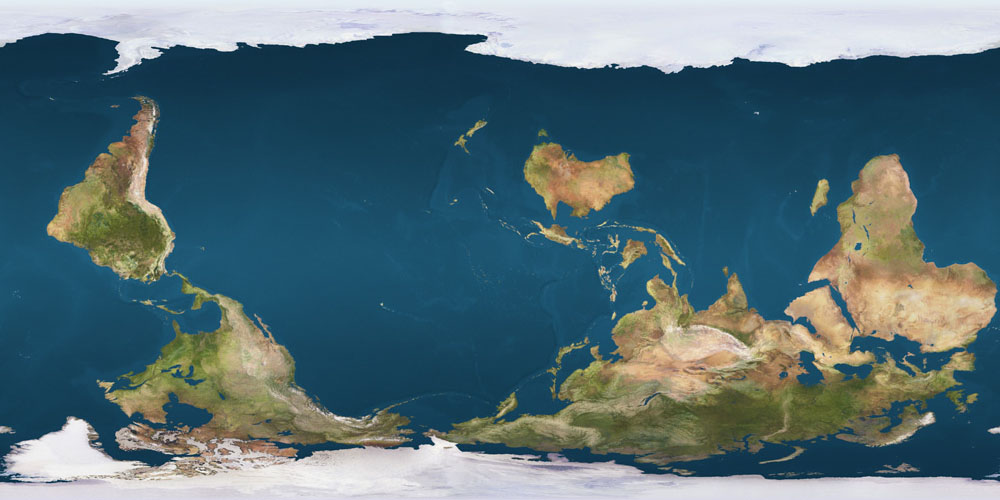
In the context of knowledge for development, what does it require to deconstruct the dominant narratives and personal privileges embodied in our race, class, gender, etc.? And, in a knowledge landscape littered with potential minefields, how do we go about shifting the mindsets that shape the ways in which ‘we’ understand the world and our subsequent values, behaviours, and attitudes?

Continue reading “Four approaches to shifting mindsets for decolonising knowledge”

Simplifying Living Income

By Ruerd Ruben

The idea of a “living income” is increasingly considered as an important strategy to guarantee that smallholder farmers’ revenues are sufficient to meet their and their families’ basic needs, as well as to put aside some savings, thus being more likely to find their way out of poverty. There is growing acceptance of an international standard for estimating living income benchmarks and an active community of practice to support its implementation. However  measurements are cumbersome and require a lot of resources.

Continue reading “Simplifying Living Income”

Friends, foes, or frenemies? Reflecting on the Varieties of Development Studies and relations with Economics

By Andy Sumner

At the recent EADI meeting in Budapest I reflected on the relationship between Development Studies and Economics, which has been a topic of debate among scholars for many, many years. While both share a common goal of addressing issues important to development, they often approach these issues from very different angles. Some argue that Development Studies and Economics can work together as friends, complementing each other’s strengths. Others believe that they are foes, with different worldviews and approaches that are irreconcilable. A third perspective suggests that they are frenemies, engaging in a love-hate relationship.

Continue reading “Friends, foes, or frenemies? Reflecting on the Varieties of Development Studies and relations with Economics”