
Displaced as data in times of climate crisis: the shrieking silence of disaster-displacement in India

By Mausumi Moran Chetia

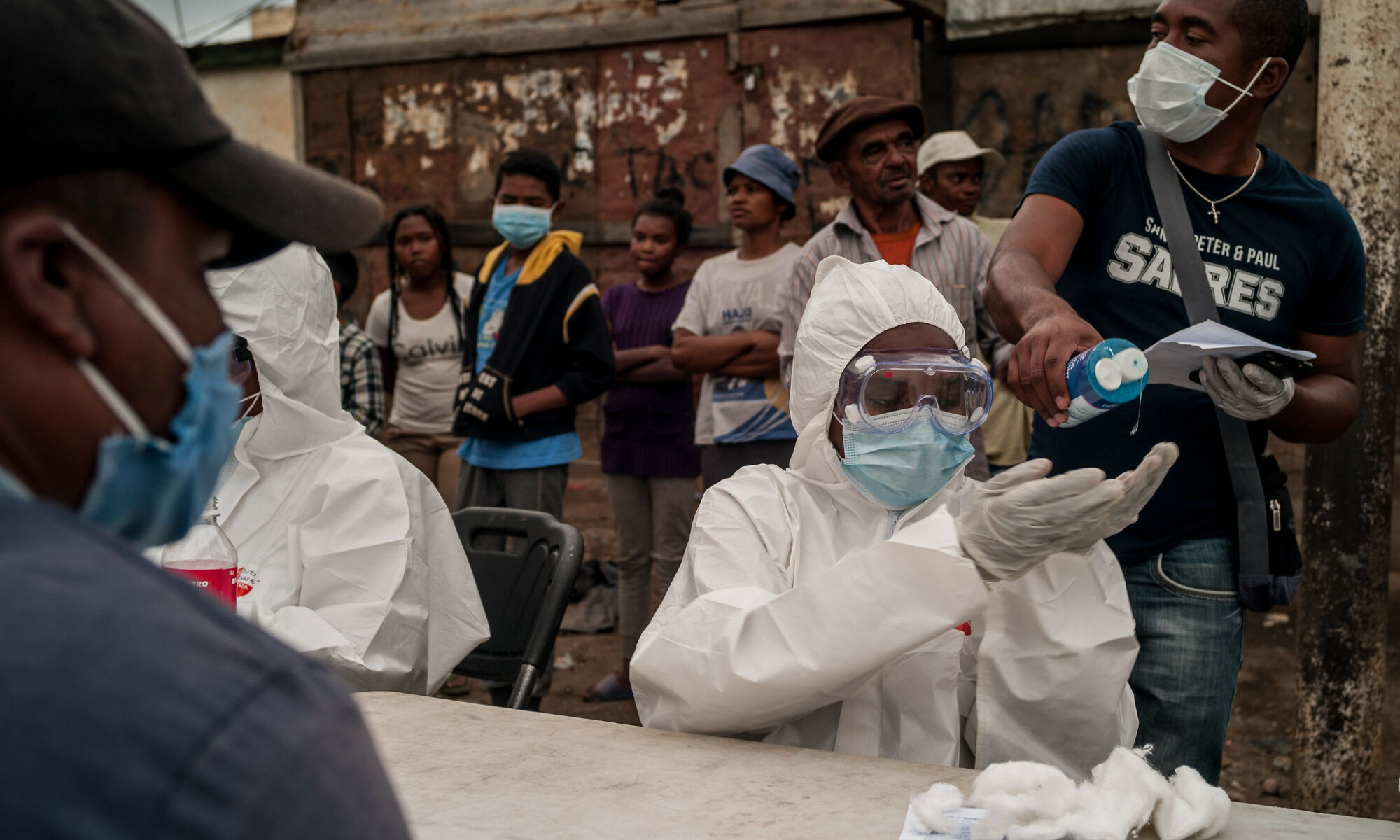
Assam in the Northeast of India is tormented with disasters such as floods, riverbank erosion, and related displacement. Baan-Khohonia, as colloquially called, or floods-erosion are mutually related – floods can increase the rate of erosion of a river’s banks, and erosion in turn can lead to increased flooding.

As this is written, Assam is reeling under massive disasters, facing floods for the second time this year, erosion and landslides, aggravated by human interventions. At its peak, close to 5 million people were affected, while attracting the United Nation’s support. Official data state the death of 135 people; and report 176201 people who were living in relief camps until 28th June, excluding people living in unofficial, self-made relief camps.

Continue reading “Displaced as data in times of climate crisis: the shrieking silence of disaster-displacement in India”

Five rules for climate adaptation in fragile and conflict-affected situations

By Elise Remling

Societies—particularly the poorest—are not ready to deal with the worsening impacts of climate change, and the deficit is growing, according to the latest report from the IPCC. We urgently need to step up investment in climate adaptation interventions, which aim to adjust social systems and structures to reduce their vulnerability to climate change.

However, in doing so we also need to recognize that interventions that make one community or area more resilient can make others even more vulnerable and insecure, and in some cases increase the risks of conflict. Researchers still often neglect such ‘maladaptive’ outcomes; practitioners even more so. How can organizations working on adaptation in fragile and conflict-affected situations make sure their interventions not only do no harm, but even contribute to peace?

Continue reading “Five rules for climate adaptation in fragile and conflict-affected situations”

Industrial policy for lower-income countries in the age of global value chains

By Karin Fischer, Christian Reiner and Cornelia Staritz

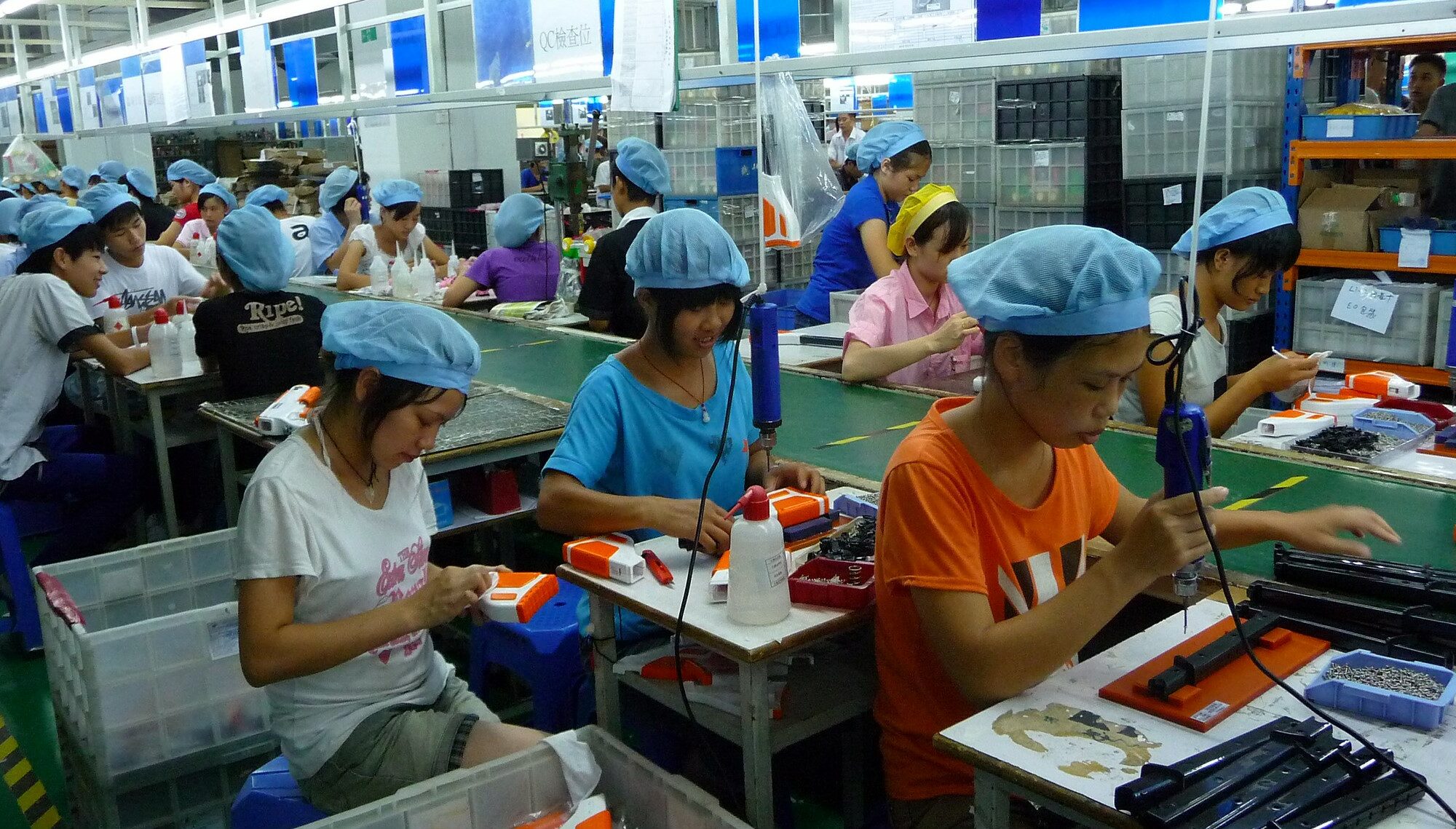
Countries of the Global South and particularly lower-income countries could barely benefit from the integration into global value chains (GVCs) so far. Regional integration, ecological leapfrogging, development-oriented macroeconomic policies and certain global framework conditions are necessary to distribute the benefits from (and costs of) GVCs more broadly. Continue reading “Industrial policy for lower-income countries in the age of global value chains”

Indebting the green transition: critical notes on green bonds in the South

By Tomaso Ferrando, Gabriela de Oliveira Junqueira, Iagê Miola, Flavio Marques Prol, Diogo R. Coutinho

For years, ‘green’ and ‘climate’ investments were considered a high-risk and ‘niche’ territory for environmentalists and socially oriented enterprises. However, between 2010 and 2019, more than EUR 2.28 trillion of private and public capital went into building new renewable capacity globally, primarily solar and wind energy. This reveals a new appetite for financing projects that are supposed to favor climate change mitigation and – although in a smaller percentage – climate change adaptation. With the combination of the climate emergency, the covid-19 pandemic and the global recession, the idea of ‘privately financing green growth’ has become the mainstream political, academic and business narrative. Continue reading “Indebting the green transition: critical notes on green bonds in the South”

Development Studies and the Manufacturing of Consent

By Tara van Dijk

Why should we “think SDGs” in Development Studies?  This model of development (getting countries, corporations and other institutions to champion a list of non-binding goals and arbitrary targets) should be an object of analysis and critique. Yet this and similar messages adorn Development Studies departments’ websites, events, and curriculum.  And what do these messages preclude and promote?   They promote consent for this brand of development by precluding dissent and abstention.  Here I delve into why and how Development Studies, in effect and since its inception, manufactures consent for mainstream development thinking and projects. Continue reading “Development Studies and the Manufacturing of Consent”