

Decolonising the university: between hope and necessity

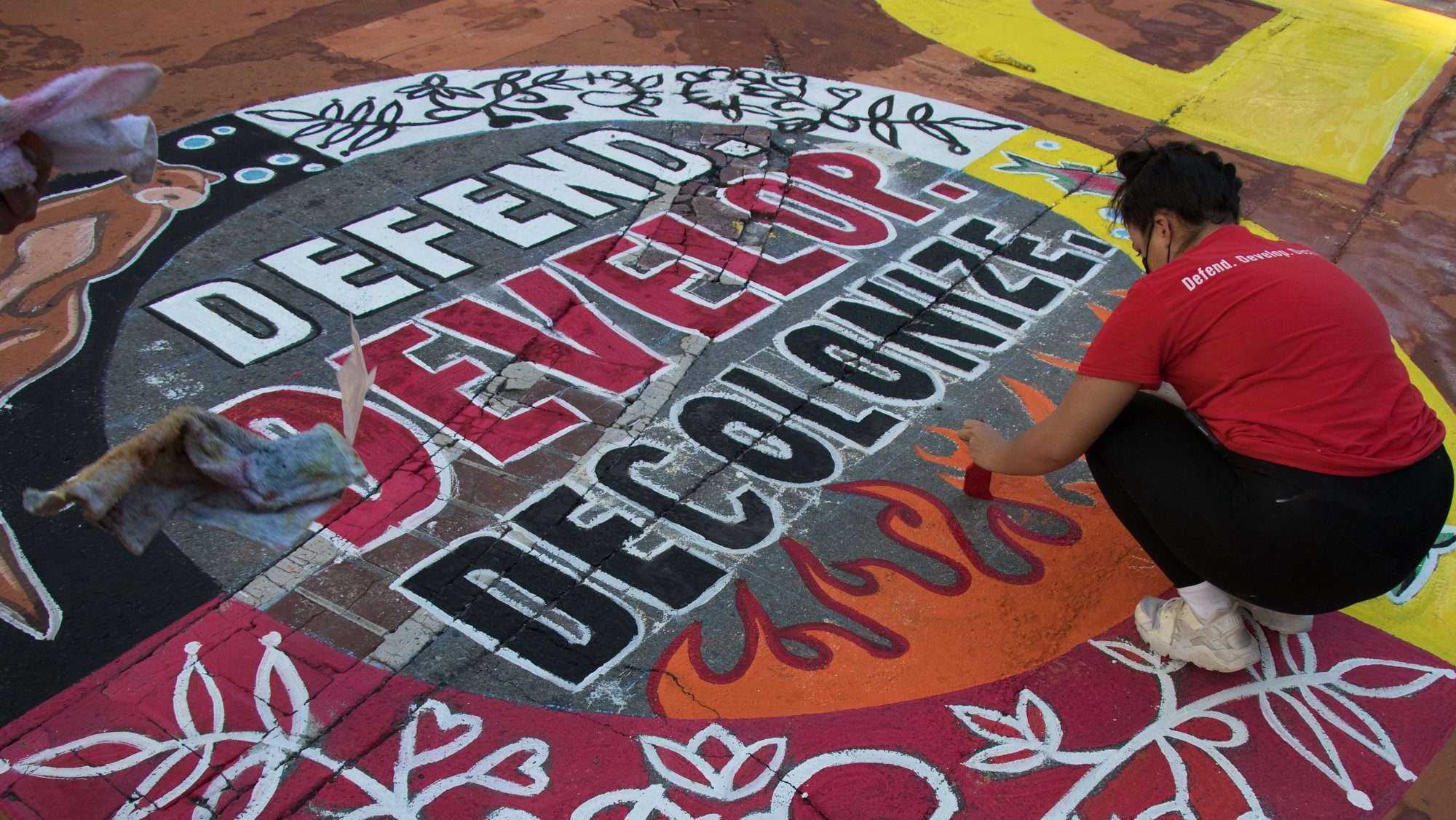
By Gaya Raddadi

Calls for decolonisation are appearing all over the globe, in different forms. But what does ‘decolonisation’ mean? Each definition is rooted in the specificity of the contexts it is applied to, and in the aims it wishes to achieve. In my research on decolonising universities I propose  to consider it as the recognition of the historicity of processes of knowledge creation and reproduction. Continue reading “Decolonising the university: between hope and necessity”

Sustainable Futures – Yes, but How? A critical book review

By Basile Boulay

Can we set ourselves an agenda for a sustainable future without questioning the fundamental nature of capitalism? Researchers from the university of Leeds working on Greenhouse Gas Removal (GGR) recently published an article asking for the ‘Permission to Say “Capitalism’ in environmental research, correctly stressing that the structural features of capitalism have a direct impact on climatic issues. Other scholarly work, such as Raphael Kaplinsky’s new book Sustainable Futures – An Agenda for Action, prefers to avoid this frontal question by focusing on the nature of technological change and how some of its effects can mitigate the disastrous economic and environmental consequences of the global economic system, and eventually lead the way towards a sustainable world for all. Continue reading “Sustainable Futures – Yes, but How? A critical book review”

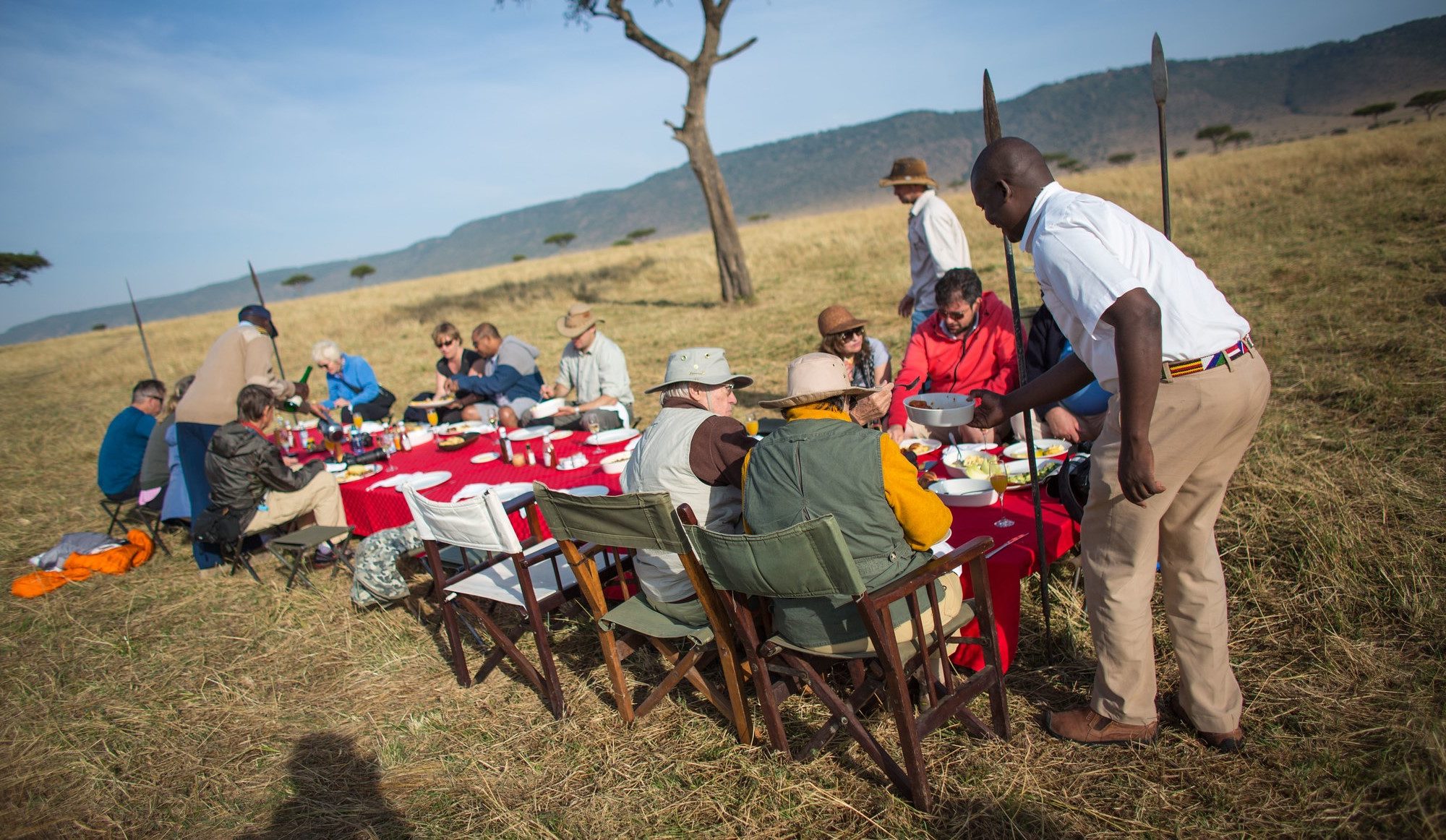
Risk dumping in field research: some researchers are safer than others

By Linda Johnson and Rodrigo Mena | EADI/ISS Blog Series

A quick glance at who is out collecting data in ‘the field’, including in remote and sometimes hazardous environments, is enough to make our point clear: the main executors of in-situ research (also known as fieldwork research) are local researchers and research assistants, sometimes together with junior or PhD researchers from research institutions in the Global North. These groups are being systematically and disproportionately exposed to safety and security issues linked to field research. Continue reading “Risk dumping in field research: some researchers are safer than others”

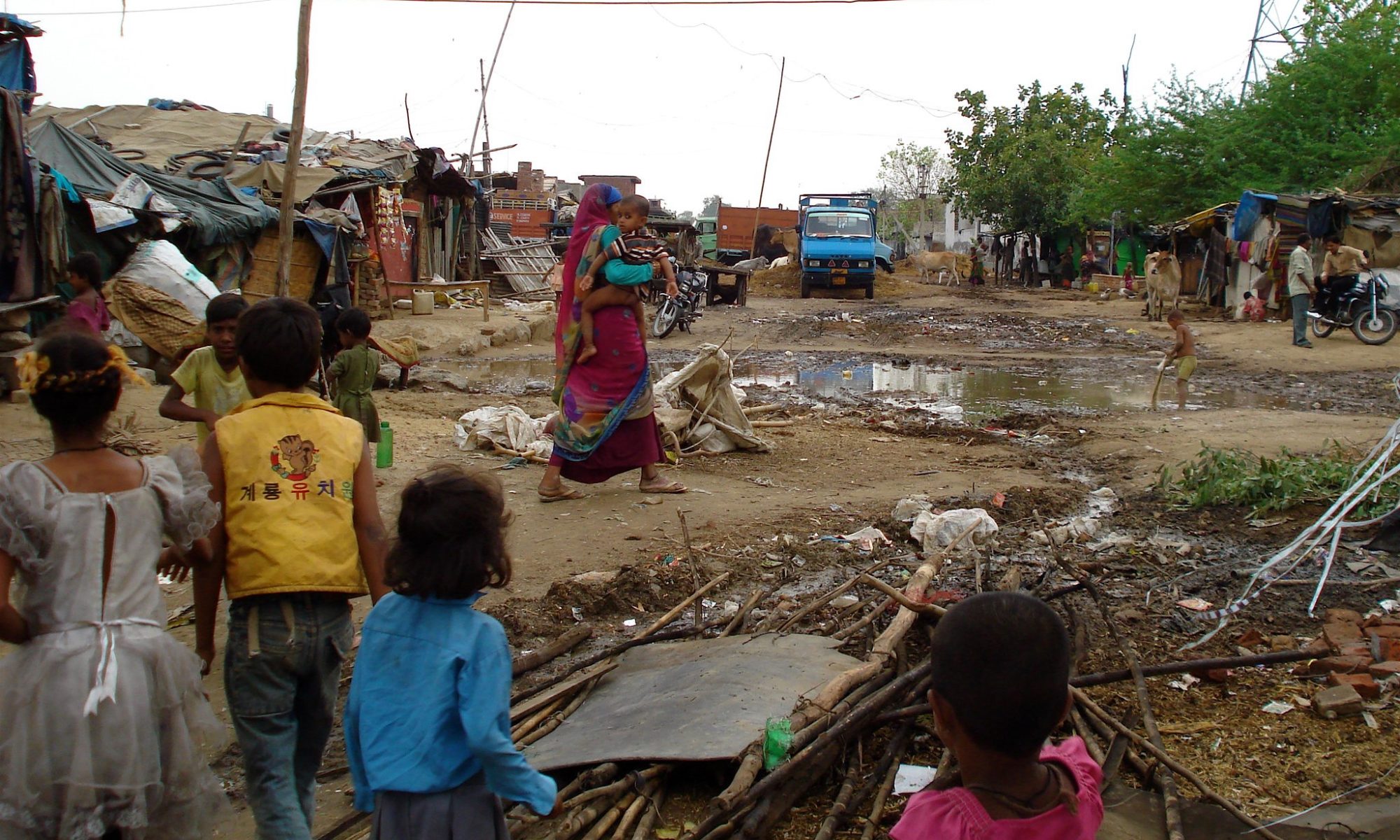
Water Operator Partnerships after 15 years: Re-politicising the debate

By Andrea Beck

Just over 15 years have passed since the UN Secretary-General’s Advisory Board on Water and Sanitation (UNSGAB) published a plan that proposed, inter alia, the concept of Water Operator Partnerships (WOPs). In this plan, which was released in March 2006, WOPs were envisioned as “a structured programme of cooperation among water operators, based on mutual support and on a not-for-profit basis.” The idea was to use peer-to-peer learning and knowledge exchange to develop the capacities of water operators, so that they could deliver reliable, good-quality services on the way to the Millennium Development Goals (MDGs). Continue reading “Water Operator Partnerships after 15 years: Re-politicising the debate”

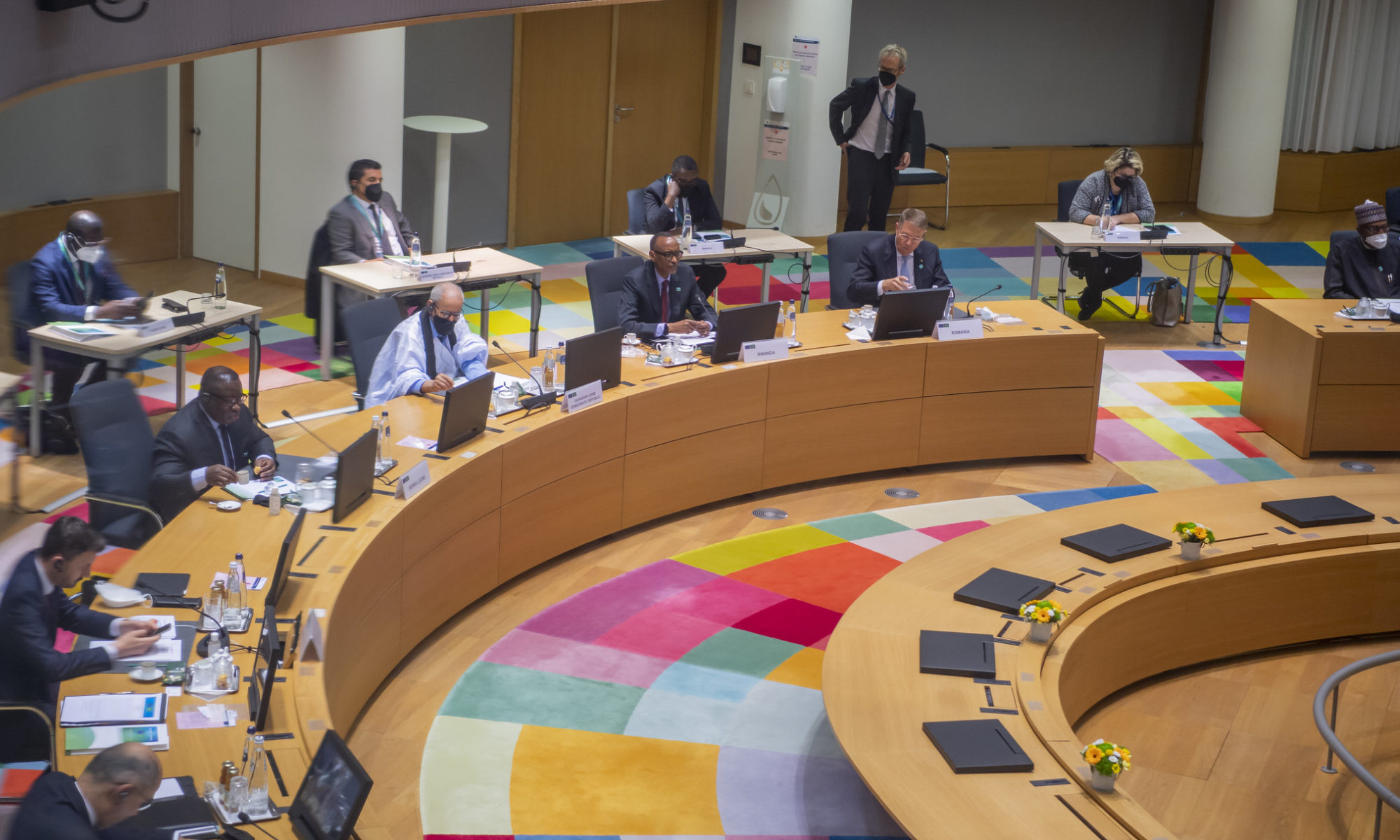
Seven principles for making development policy fit for the 21st century

By Anna-Katharina Hornidge and Imme Scholz

The political and economic environment in which development policy operates has undergone radical changes since the emergence of this policy field in the 1950s and 1960s. Back then, newly independent nation states made their first steps in Africa, Asia, the Caribbean and the Pacific. Many of them are now politically and economically established states.  According to the World Bank classification the number of middle-income countries now exceeds the number of low-income countries. Continue reading “Seven principles for making development policy fit for the 21st century”