

Teaching in a Fast-Changing Environment – The Case of Development Studies

By Basile Boulay

Following years of austerity budgets and a fast-growing managerial culture within academia, social sciences and humanities have been under growing pressure for some time.  Simultaneously, the assumptions behind the teaching and research of entire disciplines have been heavily criticized , giving rise to movements -often supported by students- calling for wide academic and curricula reforms. Development Studies, which draws on many fields from social sciences and humanities, is no exception and is undergoing such profound changes. Continue reading “Teaching in a Fast-Changing Environment – The Case of Development Studies”
Behind the Scenes: The Strong Voice of Pacific Women in Climate Negotiations

By George Carter and Elise Howard

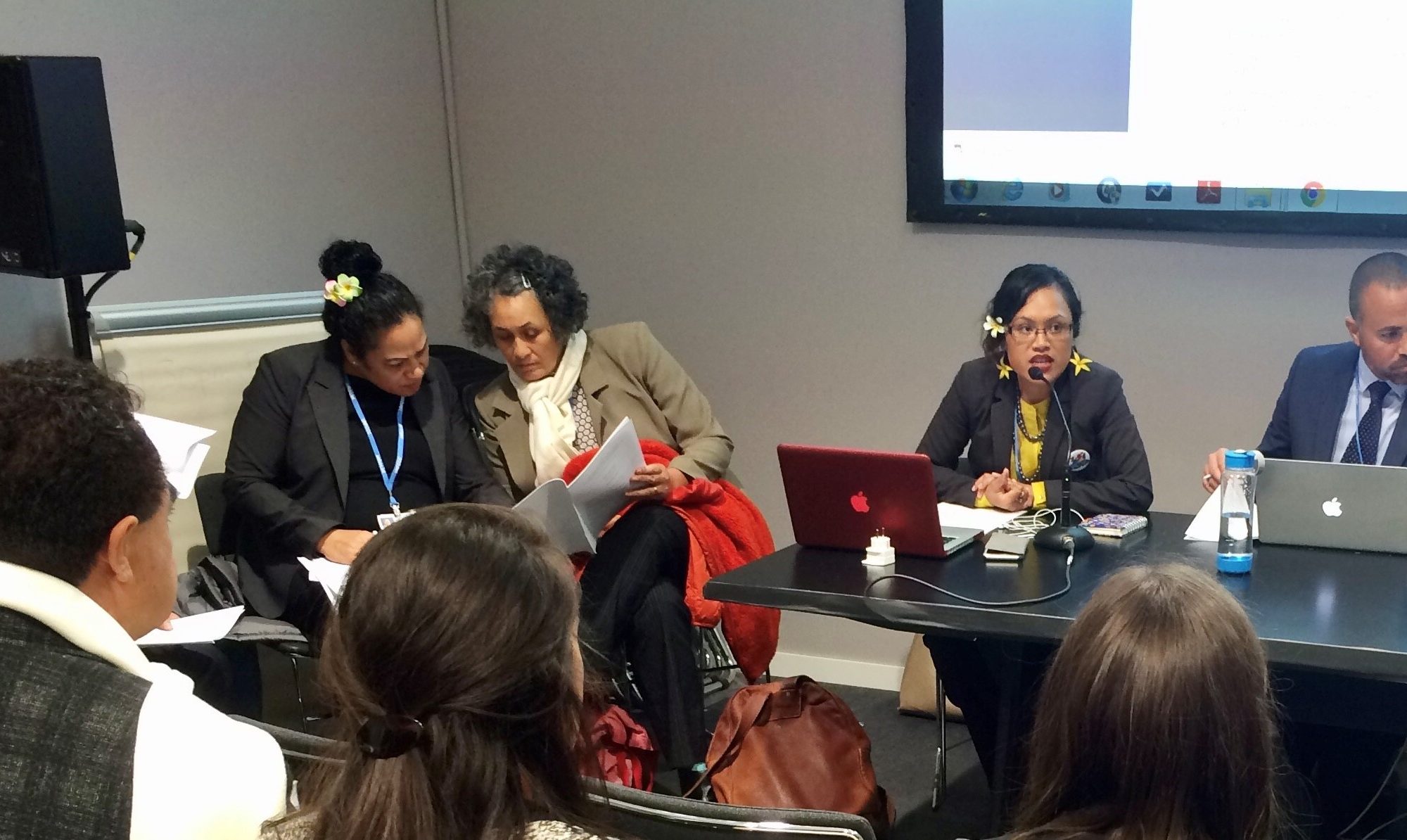
Women from Pacific Island countries have long been strategic and decisive leaders in climate negotiations, yet their stories are relatively unknown.  Our recent work explores women’s leadership at the United Nations Framework Convention on Climate Change (UNFCCC) in the making of the Paris Agreement 2015. We provide a snapshot of one year in  three decades of climate negotiations and explore, how women played strategic roles to elevate the Pacific’s position on a global stage.  Continue reading “Behind the Scenes: The Strong Voice of Pacific Women in Climate Negotiations”

How Can Development Cooperation Be More Sensitive To Power Relations?

By Tim Kornprobst and Anna Schwachula

Ever since development cooperation began in the 1950s, it has fallen under suspicion of upholding colonial conditions. Proponents of post-development theories therefore stress that the concept of development cooperation is problematic in the way it divides the world into “developed” countries on the one hand and “less developed” countries on the other, as this is considered to represent a Western, capitalist paradigm. In the eyes of critics, this bifurcation serves to perpetuate a colonial power structure in which experts from the global North recommend solutions to societies of the global South they consider to be “backwards”. Continue reading “How Can Development Cooperation Be More Sensitive To Power Relations?”

The 2030 turn in German Development Policy – An Opportunity to Fundamentally Challenge Global Inequalities?

By Tanja Verena Matheis and Adrian Schlegel

Amidst the ongoing pandemic, the reorientation of the German Ministry for Economic Cooperation and Development with regard to international development policy and cooperation has gone almost unnoticed in the media. In the context of their “reform concept 2030”, the policy-makers identify five “megatrends” – demographic change, the shortage of natural resources, climate change, digitalization and interdependencies, and migration, based on which they suggest courses of action. The reform has attracted criticism, especially because of the cancellation of partnerships with countries with material precarity. Is the proposed strategy anywhere near allowing to address persistent socio-economic inequalities that the system of development cooperation claims to alleviate? Continue reading “The 2030 turn in German Development Policy – An Opportunity to Fundamentally Challenge Global Inequalities?”

Trade Reproduces International Inequalities

By Christian Dorninger, Anke Schaffartzik, and Hanspeter Wieland

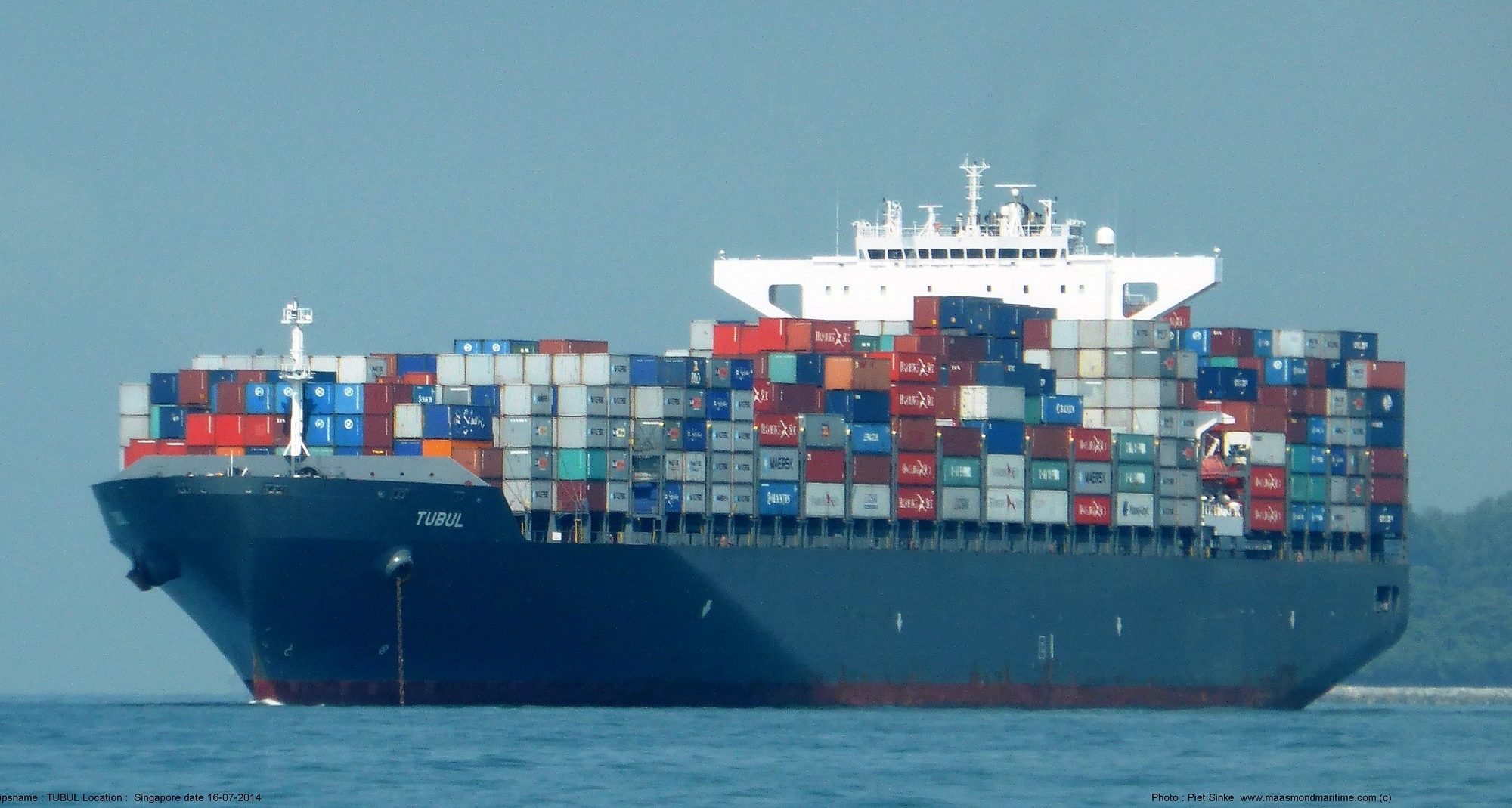
Through international trade, richer countries do not merely generate a monetary trade surplus, but also appropriate international resources and labour from poorer countries. While this allows high consumption standards, economic growth, and the simultaneous protection of domestic natural resources in some countries, more land for mining and agriculture for exports is being extracted from the local economies in others. As a result, this makes a socially-ecologically sustainable development impossible. Our research team was now able to prove that ecologically unequal exchange was a persistent feature of the global economy from 1990 to 2015. Using environmentally-extended multi-regional input-output modelling, we investigated these structural inequalities in international trade. Continue reading “Trade Reproduces International Inequalities”