
Disaster response: why democracy matters

By Isabelle Desportes

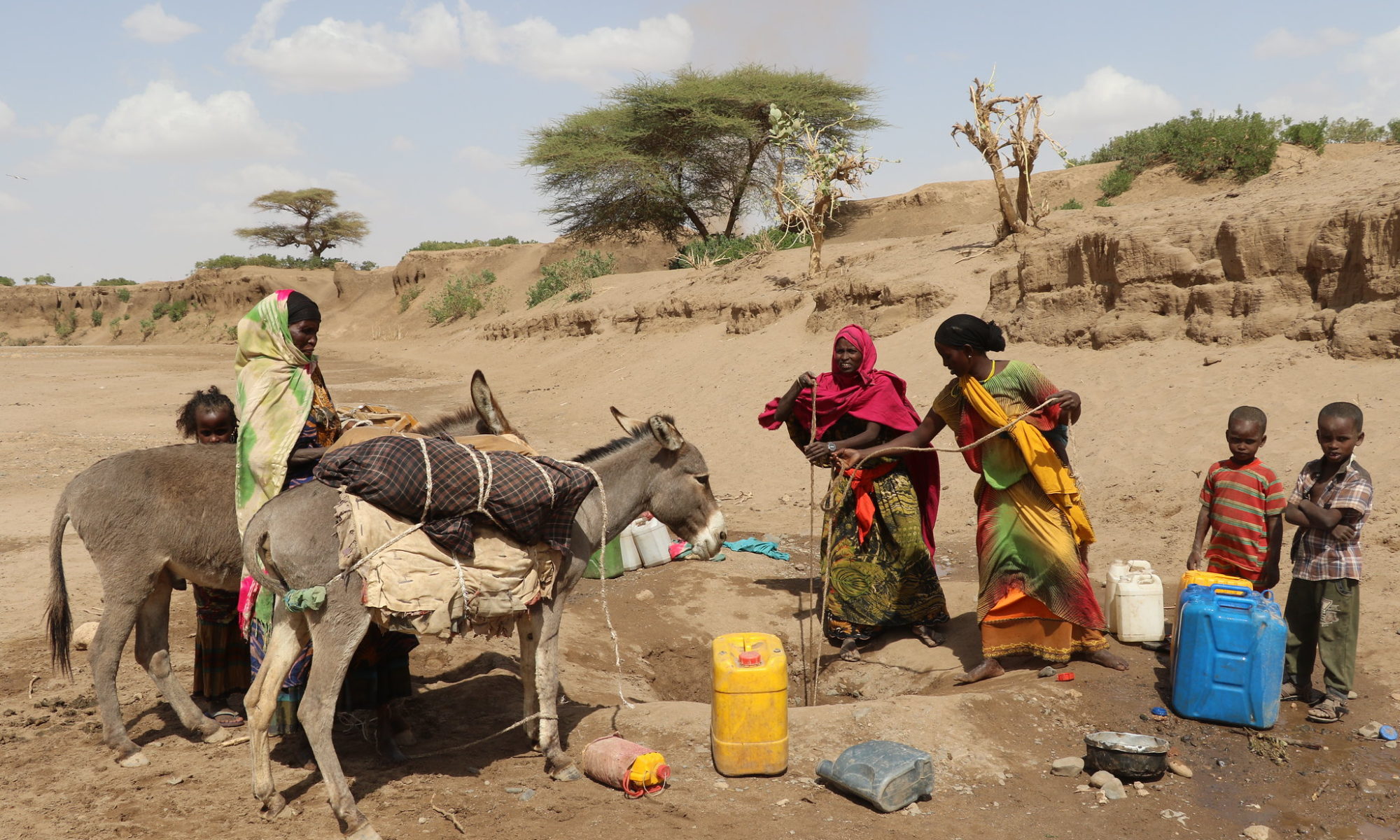
It is inherent to times of crises, and we can witness it in the way the COVID-19 pandemic is being handled too: strong leadership emerges, many decisions and emergency legislative mechanisms are enforced, and some key issues move to the background. While such centralistic measures are often necessary, they also bear the risk of infringing on an effective and socially just handling of crises, and shape our societies on the long term. Continue reading “Disaster response: why democracy matters”
How can Covid-19 be the catalyst to decolonise development research?

By Melanie Pinet and Carmen Leon-Himmelstine

Covid-19 is an unprecedented moment, halting life as we know it. For the global development community, the effects have been profound. Several NGOs have had to scale back or completely stop their operations overseas, while local actors and civil society are rapidly organising to respond to the crisis through their own creative ways. Continue reading “How can Covid-19 be the catalyst to decolonise development research?”

COVID-19 and Development Co-operation: we know a lot about what works, let’s use the evidence

By Per Øyvind Bastøe, Wendy Asbeek Brusse and Jörg Faust

The recent statement from the OECD’s Development Assistance Committee calls for sustained action to address the crisis in the poorest countries of the planet. In these societies, the pandemic will encounter weak public health systems. Lock-down measures will crush fragile economic structures and worsen the social situation for many people, particularly among the most vulnerable groups in society. Continue reading “COVID-19 and Development Co-operation: we know a lot about what works, let’s use the evidence”