
Unsolicited representation of others happens in international development, so let’s talk about it!

By Margit van Wessel / New Rhythms of Development blog series

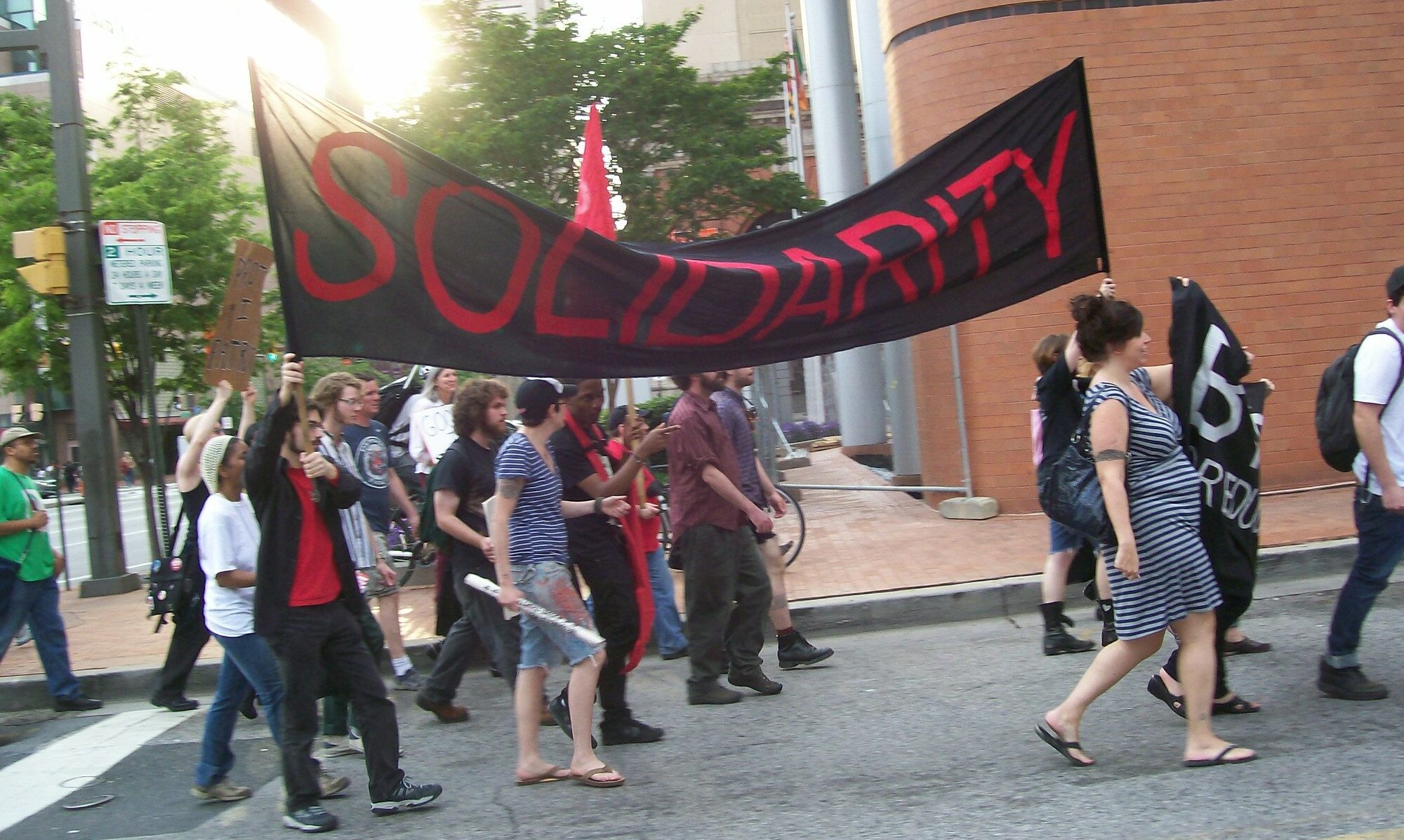
It’s not a popular idea, but I want to express it nonetheless: many development organizations engage in representation, here conceptualized as ‘acting on behalf of others’. They articulate rights for groups, advance problem definitions important to particular groups, and advocate solutions for specific groups’ problems. However, it seems very few scholars or organizations want to acknowledge   or even think about this.  Why would that be, and is it right not to think of civil society roles in terms of representation in the first place? And is the more popular ‘solidarity’ a better option? Let’s compare and highlight some points for further reflection.  

Continue reading “Unsolicited representation of others happens in international development, so let’s talk about it!”


Radical Alternatives or Ambivalent Engagements? Development Understandings from the Global South

By Alba Castellsagué and Sally Matthews / New Rhythms of Development blog series

Critiques of development have historically problematised the dominant models of economic growth and the controversial ideas of modernity and progress. Since the sixties, many have attempted to advance more sustainable understandings of development, with proposals emerging from a wide range of approaches: human capabilities, ecological sustainability, gender justice, and decoloniality, among many others.

Continue reading “Radical Alternatives or Ambivalent Engagements? Development Understandings from the Global South”

Development in crisis: some reflections

By Christiane Kliemann

The accelerating frequency, interconnectedness and mutually reinforcing nature of contemporary crises call for holistic responses and a focus on synergies and potential discrepancies between various fields of action. What has Development Studies to offer here? Will it be able to prove that is truly inter- and transdisciplinary and contribute to the understanding of policy and governance challenges in the Global South in the face of multiple crises? Will it identify the possible levers for policy action and their potential impact for the most marginalised, also in the long term?

Continue reading “Development in crisis: some reflections”

Rethinking work for sustainability and justice

By Erik Gomez-Baggethun

Work time reduction is one of the central policy proposals brought forward by ecological economists and degrowth scholars to reduce environmental pressure and unemployment and enhance human well-being. In its broader meaning, work is defined as an activity involving mental or physical effort done to achieve a purpose or result. In economic and policy debates, however, the dominant notion of ‘work’ has acquired a much narrower meaning. It does not extend to cover the activities required for the reproduction of life such as caring and housekeeping, neither the broader set of things we do on our own initiative without expecting remuneration. The dominant conception of work remains confined to the set of activities formally recognized by society as worthy of remuneration. For most people in Western capitalist countries, work is still understood as wage labour, and weekly working times of around 40 hours have come to be perceived as an almost natural configuration of time.

Continue reading “Rethinking work for sustainability and justice”

The global lab: political and technological experiments in the Global South

By Adam Moe Fejerskov

From pandemics to climate change to ever-growing humanitarian needs, humanity is making limited progress in tackling the structural causes of contemporary global crises. The result is a future of growing unknowns. Here, politics become increasingly experimental, as we struggle with unprecedented challenges and changes, leaving the fate of both planet and people to unproven technologies and uncertain policies. In a new book, The Global Lab, I explore the question of a future of experimental politics that too often becomes one of both inequality and exclusion for vulnerable groups across the world.

Continue reading “The global lab: political and technological experiments in the Global South”