

Reflections on Decolonising Knowledge for Development: An invitation to a conversation

By Peter Taylor

A moment to reflect

Anniversaries are times to celebrate, and also opportunities to reflect on the past, the present, and the future. As we enter 2024 and see EADI’s 50th anniversary coming into view, we are taking a moment for reflection amidst what is increasingly viewed as a time of crisis in development and in Development Studies itself, particularly in regard to coloniality and how it manifests today in multiple ways. These are not new reflections, and they have featured in many other conversations and blogs, including within EADI.

Continue reading “Reflections on Decolonising Knowledge for Development: An invitation to a conversation”


Challenging Global Development while Defending Modernity and Enlightenment Thought

By Tanja Müller

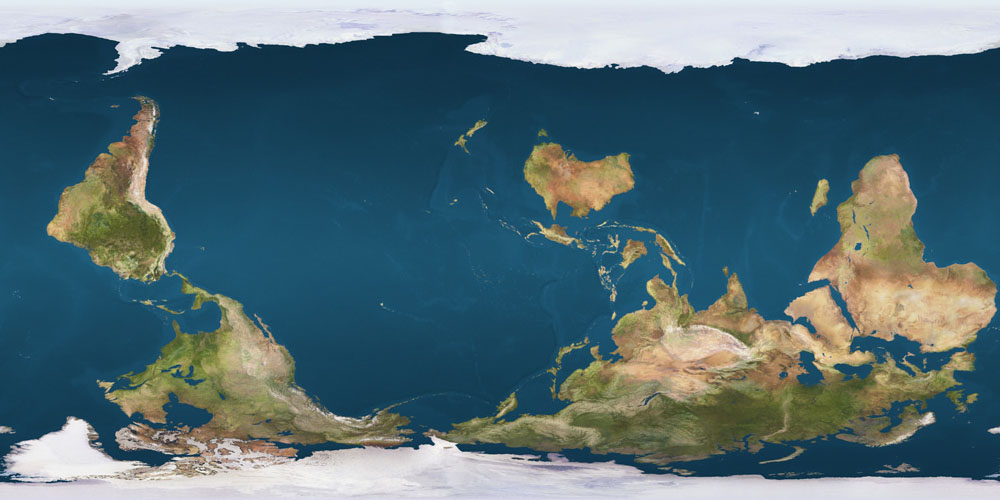
The latest book in the EADI Global Development Series has recently come out with the apt title Challenging Global Development: Towards Decoloniality and Justice. It is a timely and important book, not least because it provides good summary of the history of ‘development’ and Development Studies, up to contemporary debates. It interrogates most of the relevant themes and contestations in relation to the concept of development and Development Studies as an (academic) subject. The book provides pertinent critiques of a diverse range of themes, such as inclusions and exclusions; transformative processes of knowledge production; questioning the growth-agenda; structural roots of global inequalities; and narratives based on dichotomies. A focus on decoloniality and justice is welcome, as is the recognition that colonialism is ultimately a power structure.

Continue reading “Challenging Global Development while Defending Modernity and Enlightenment Thought”

Rethinking Development Studies

By Kees Biekart, Laura Camfield, Uma Kothari, Henning Melber

Our world is in shambles. And what is widely understood as Development has been a contributing factor. While ‘fixers’ are quick to offer new recipes for Development, re-building or re-constructing societies destroyed, they often offer more of the same. This provokes the question, as to whether life on earth might have been much better off without Development.

Continue reading “Rethinking Development Studies”

What Is a “Development” Research Project? Transforming Ideas of Development through Development Research

By Mette Fog Olwig, Jacob Rasmussen, Lone Riisgaard, Christine Noe, Geetika Khanduja, Peter Taylor, Herbert Hambati, Lisa Ann Richey, Chris Büscher and Paola Minoia / New Rhythms of Development blog series

Development Studies has long operated with binaries such as “developed/developing” and “traditional/modern” that foster implicit assumptions of Northern superiority. As a result, research projects taking place in so-called “developing countries” tend to ask different research questions and use different methods leading to types of theories that differ from those concerning so-called “developed countries.”

Continue reading “What Is a “Development” Research Project? Transforming Ideas of Development through Development Research”

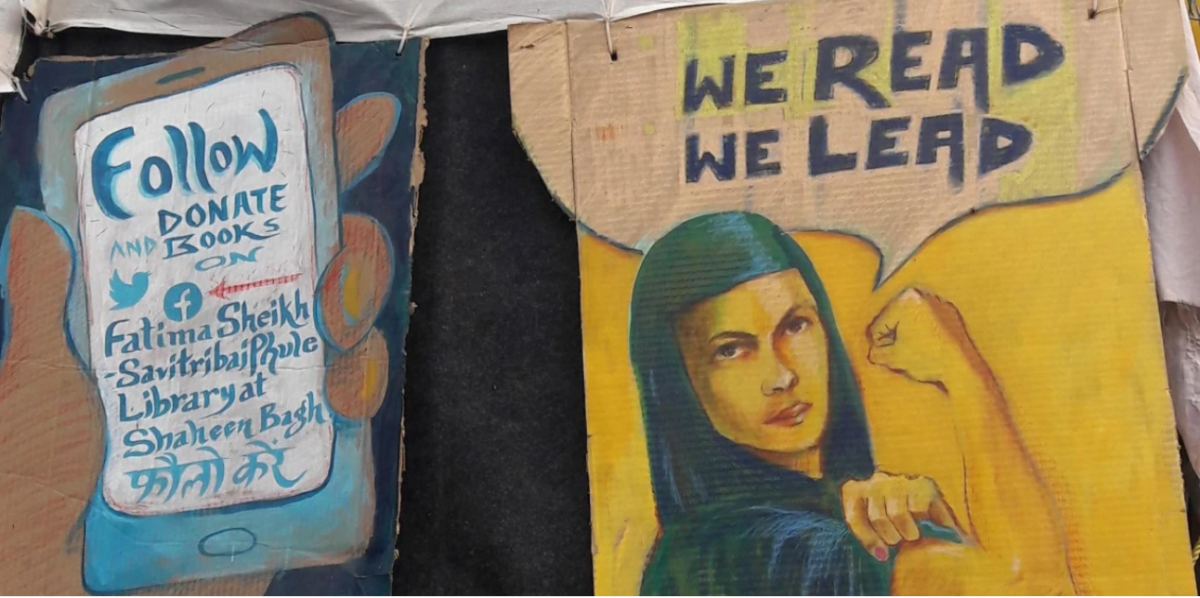
Contested development imaginaries: Hindutva and the co-optation of ‘decolonisation’

By Kalpana Wilson, Giti Chandra and Lata Narayanaswamy

We live in a time where deeply embedded, historically entangled perceptions persist of a bifurcated world, made up of a civilised ‘developed’ or ‘rich’ world as set against a largely corrupt, ungovernable ‘developing’ or ‘poor’ world. The perniciousness of these ‘development’ imaginaries came into sharp relief in October 2022 when Josep Borrell, the High Representative of the European Union for Foreign Affairs and Security Policy, in a keynote speech to the European Diplomatic Academy, described Europe as a ‘garden’ where ‘everything works’ and the rest of the world as a ‘jungle’, a metaphor that he extended to further suggest that the ‘jungle’, without political engagement, ‘could invade the garden’.

Continue reading “Contested development imaginaries: Hindutva and the co-optation of ‘decolonisation’”